
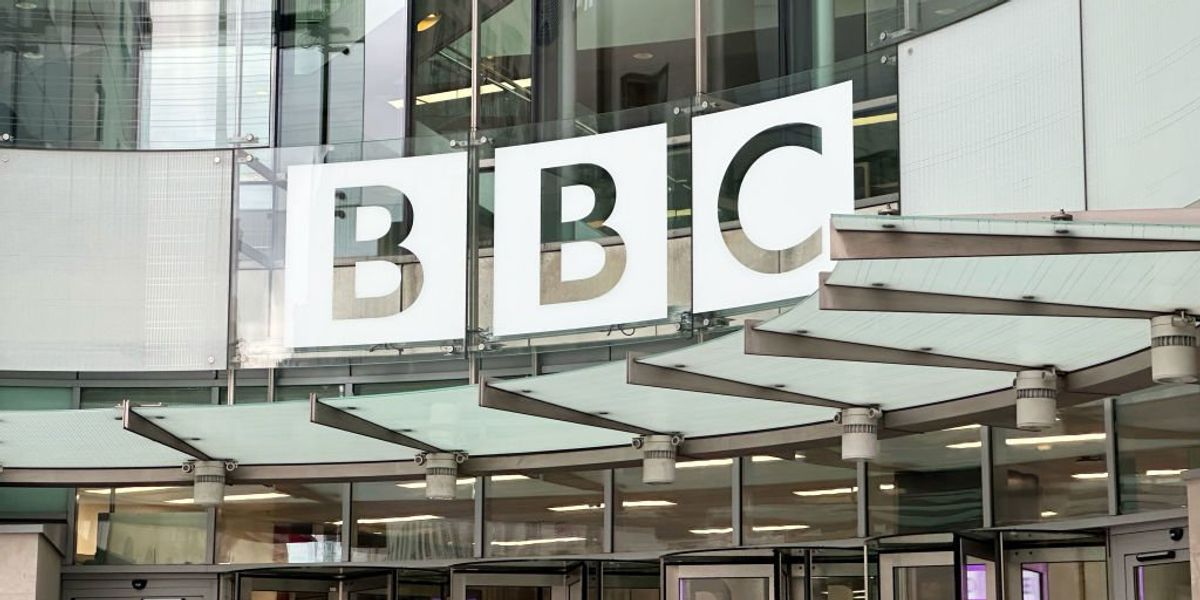

Former BBC One controller Lord Michael Grade has launched a fresh attack on the television licence fee, calling the current £180 charge “ridiculous” and arguing it should be reduced to maintain public support for the broadcaster.
The veteran executive, who also served as chairman of the BBC Board of Governors, warned the corporation risks losing the goodwill of viewers unless its funding model changes.
Speaking to the Radio Times, Lord Grade said: “Either the BBC has a secure and adequate income, or it doesn’t exist.
“But it also depends on public support, which it is in danger of losing… So, the licence fee must come down.”
He argued the BBC’s core purpose is to convert public funding into high-quality British programming but said the flat-rate charge distributes costs unfairly.
“It’s ridiculous that I pay the same as a single mum with three kids in a rented room somewhere in the UK,” he said.
“It’s not right. I’m happy to pay more, so that person can pay less.”
Lord Grade, who ran BBC One between 1984 and 1986, said the current system places a disproportionate burden on those least able to afford it.

Michael Grade says BBC licence fee should be cut as former chairman brands £180 charge ‘ridiculous’
|
GETTY
He has set out a 10‑point plan for securing the BBC’s long‑term future, rejecting both advertising‑funded and subscription‑based alternatives to the licence fee.
He urged the corporation to cut administrative and fixed overheads rather than programme budgets and proposed creating a global World Service television channel to expand the reach of British broadcasting overseas.
The former Channel 4 chief executive and ITV executive chairman also dismissed concerns about competition from digital platforms.
YouTube, he said, is “a distribution platform not a competitor in terms of creating content”.

He was sharply critical of the BBC’s handling of journalistic errors, arguing that repeated failures had damaged public trust
|
GETTY
“The BBC has successively failed to handle journalistic c**k‑ups in a satisfactory way,” he said.
“That’s why they’ve lost trust.”
Lord Grade pointed to the Panorama programme’s editing of footage involving Donald Trump, which made it appear as though he directly incited the January 6 riots.
He said concerns about the broadcast only emerged through external scrutiny rather than through the BBC’s own processes.
“That’s unforgivable,” he said. “The BBC didn’t expose the mistakes themselves.
“The BBC thinks owning up to mistakes is a sign of weakness, but I regard it as a sign of strength. They should start doing it.”

Comments are closed.