

BBC Sport employees are weighing up industrial action as the department braces for another round of job cuts.
Alex Kay-Jelski, the corporation’s director of sport, is expected to address staff in the coming days with details of a fresh restructure that will result in multiple positions being eliminated.
Those affected will reportedly be given the option of voluntary redundancy, according to the Daily Mail, as the sports division pushes forward with its modernisation agenda.
The anticipated announcement comes after Kay-Jelski already oversaw dozens of redundancies last year. His tenure has been marked by significant upheaval within the department, and the prospect of further losses has heightened tensions considerably.

The BBC are reportedly planning several job losses
|
GETTY
Strike action, once unthinkable in the sports division, is now firmly on the table as staff await confirmation of the scale of cuts.
The workforce at MediaCity in Salford finds itself sharply split over the direction of travel. A significant faction believes Kay-Jelski’s determination to court a younger, digitally oriented audience represents an overreach that risks alienating the BBC’s established viewership.
Others within the newsroom take a markedly different view, arguing that the transformation is not only necessary but long overdue.
This internal discord has made the prospect of unified industrial action uncertain, even as frustration mounts. The fundamental question dividing colleagues is whether the BBC’s sports output should prioritise its traditional broadcast strengths or embrace a wholesale digital pivot.
What is clear is that morale at the Salford headquarters has taken a considerable knock, with staff uncertain about both the department’s strategic vision and their own futures within it.
Kay-Jelski’s reshaping of BBC Sport has already claimed several beloved programmes. Football Focus, a Saturday lunchtime institution for more than half a century, was scrapped at the conclusion of last season after 52 years on air. Kay-Jelski insisted at the time that the decision was not motivated by financial pressures.
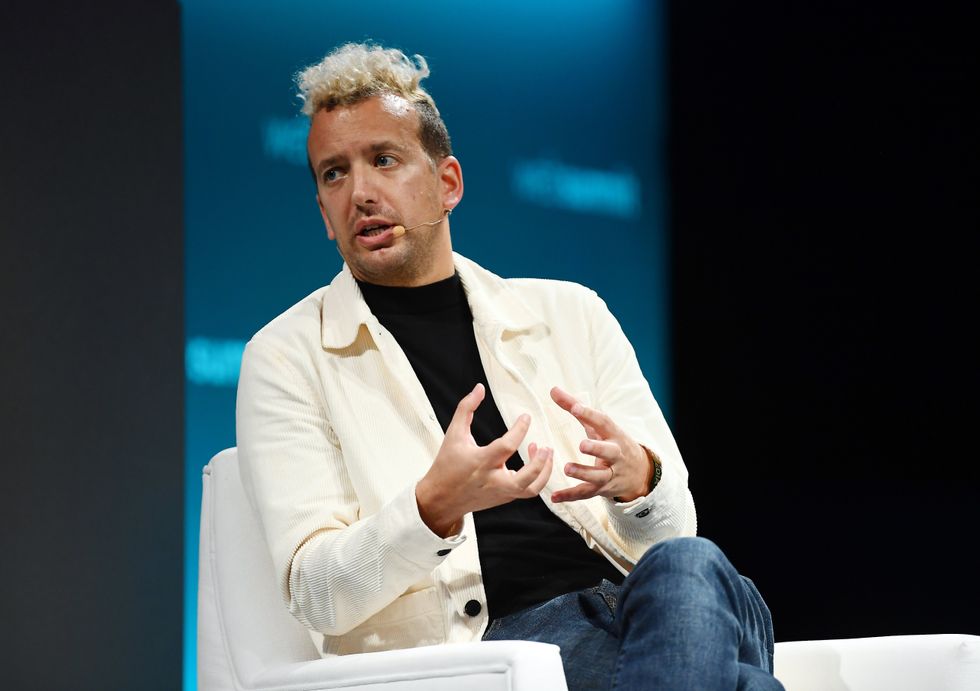
BBC chief Alex Kay-Jelski is reportedly expected to address staff in the coming days with details of a fresh restructure
|
GETTYThe winter sports staple Ski Sunday has likewise been consigned to history.
Beyond individual programmes, the corporation has also retreated from covering a number of major sporting events. The Commonwealth Games, the Boat Race, and the Rugby League World Cup have all been removed from the BBC’s schedule.
Taken together, these cuts paint a picture of a department undergoing radical transformation — one that has left many veteran staff questioning whether the institution they joined still exists in any recognisable form.
Gary Lineker, for decades one of the corporation’s most recognisable figures, has recently parted ways with the BBC to pursue his own venture. His reflections on the organisation have been characteristically candid.
Speaking on Davina McCall’s Begin Again podcast, he said: “I will say that I love the BBC for all its faults — I mean, and it has a few — but it’s an amazing institution, and it’s hugely respected around the world, and we should be proud of it.”
He added: “But yet, I must say though, living life outside of the BBC without having that thing on show, it’s nice not treading on eggshells all the time.”
Meanwhile, the BBC’s World Cup coverage drew sharp criticism after the broadcaster chose to operate from Salford rather than sending a full team to the tournament. ITV, by contrast, impressed with a striking studio set against the Manhattan skyline.

Comments are closed.