
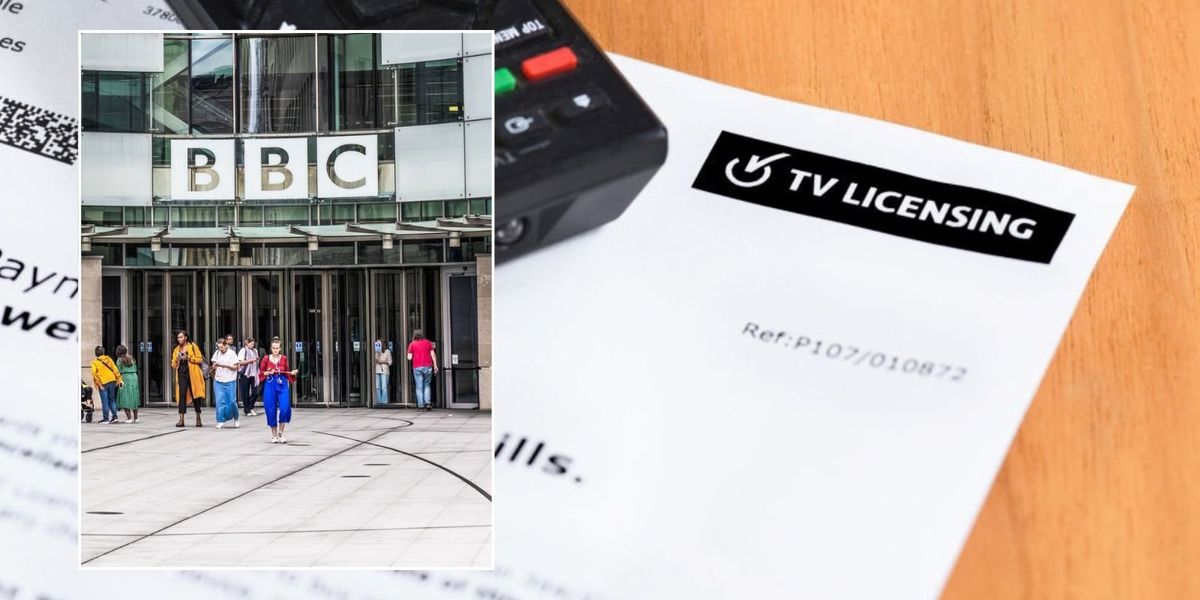

The BBC must “reform” the licence fee and extend it to include non-television services, according to MPs.
A parliamentary committee has set out a far-reaching blueprint for the future of the BBC, urging ministers to make the royal charter permanent and fundamentally reshape how the corporation is funded.
The Digital, Culture, Media and Sport Committee (DCMS) published its recommendations ahead of the Government’s expected finalisation of proposals for the next charter later this year.
This new charter will determine the BBC’s governance, regulation and funding arrangements from 2028 onwards.

The TV licence fee is set to be reformed in the near future
|
GETTY
Among the most significant proposals, MPs called for the licence fee to be modernised so it covers all BBC services rather than being tied solely to television ownership, while also pressing for a reduction in the current £180 annual charge.
The wide-ranging report also tackled questions of political independence, content strategy and the BBC’s role in combating false information online. The committee described the existing licence fee model as outdated and unfit for purpose, arguing it should be reformed to reflect how people actually consume media today.
Decoupling the fee from television set ownership and broadening its scope would be more palatable to the public if accompanied by a lower individual cost, the report suggested.
While acknowledging there were compelling arguments for a universal household levy, requiring all homes to pay regardless of BBC usage, MPs concluded such a system would face considerable practical hurdles in the near term, though criticised the Government for dismissing the idea entirely.
 Could this be YOUR remote if the BBC has its way? GB News mocks up what the corporation is pushing for in Britons’ living rooms | GETTY
The scale of the BBC’s financial challenge was laid bare by director-general Matt Brittin, who informed the committee that roughly £1.2billion to £1.3billion in licence fee income had been lost over the past decade.
Some 40 per cent of that shortfall stemmed from declining numbers of paying households, with the BBC reporting that 94 per cent of homes use its services but only 80 per cent contribute financially.
On the question of political independence, the committee was unequivocal: the BBC must be shielded from Governmental meddling. MPs recommended abolishing politically motivated appointments to the corporation’s board and urged the BBC to explore selecting its chair through an independent process.
The report argued that subjecting the BBC’s very existence to scrutiny every ten years “creates an avoidable opportunity for political interference which has damaged the perception of the BBC’s independence”.
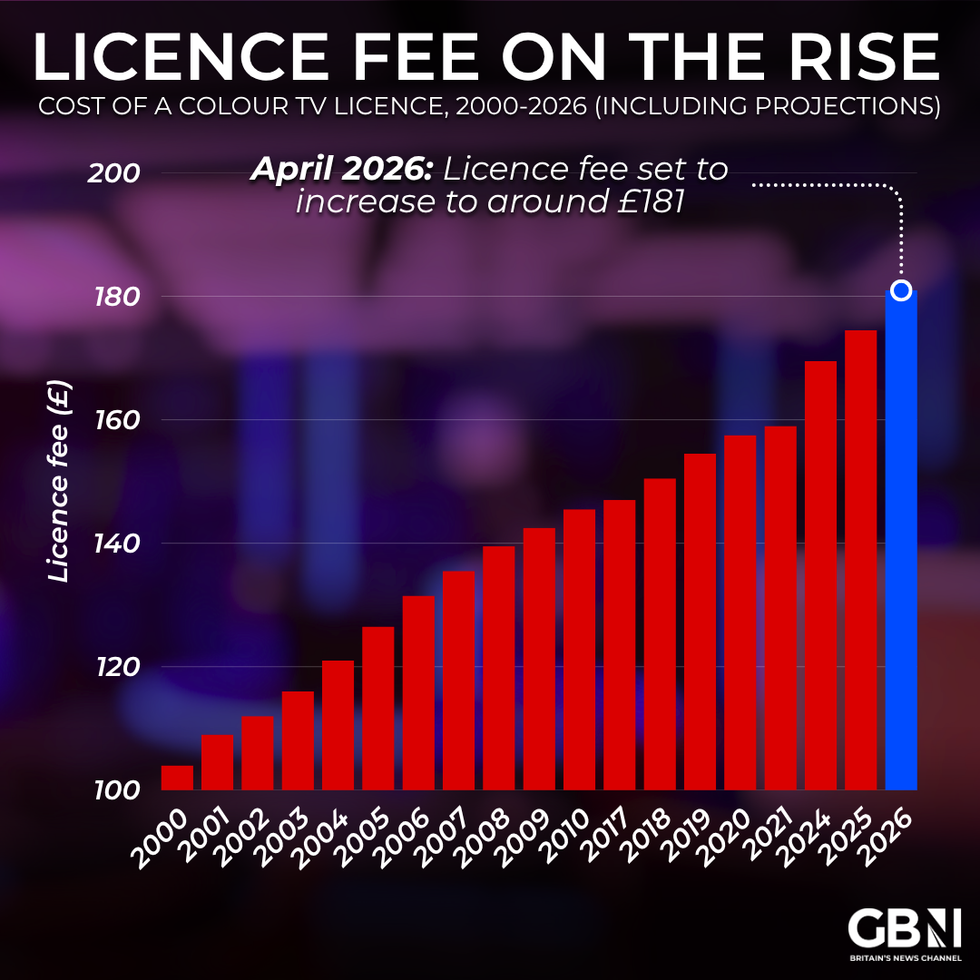 Licence fee on the rise: How much does the TV licence cost? | GB NEWS
This recurring process also served as an unnecessary distraction from the broadcaster’s core mission to inform, educate and entertain, the committee found.
MPs therefore urged that the next charter should be made permanent, carrying no expiry date, removing what they view as a structural vulnerability that has long undermined public confidence in the BBC’s editorial freedom.
The committee gave its strong backing to opening up iPlayer as a shared platform, allowing other public service broadcasters such as Channel 4 to distribute their content through it — a move MPs said would serve both audiences and the wider industry over time.
Dame Caroline Dinenage, who chairs the DCMS Committee, said: “This is a pivotal moment for the BBC. Continue along the current path and we condemn a national institution to managed decline, squandering the immeasurable benefits it brings to our economy and society.”

Comments are closed.