
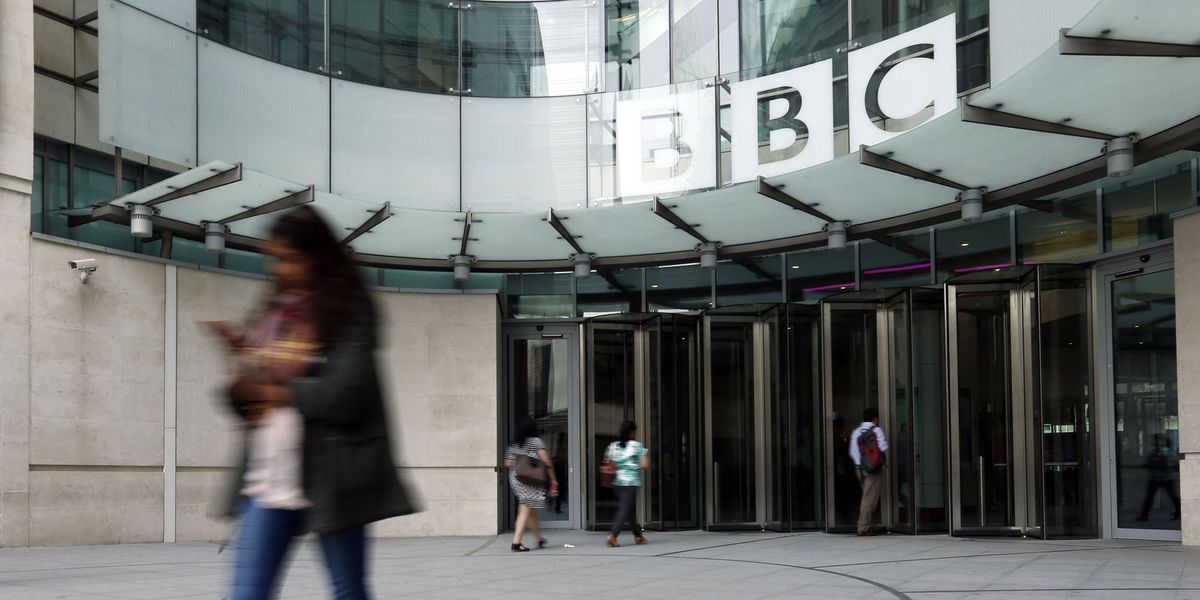
BBC’s finances laid bare as broadcaster’s reserves plummet in effort to save £500million

The BBC’s finances have been laid bare as the broadcaster’s reserves plummeted in a bid to save £500million.
The corporation’s public service division saw its cash reserves take a nosedive by two-thirds over the past financial year.
The reserves were revealed to have dropped from £369million in 2025 to just £125million this year, marking the company’s lowest cash position in at least 10 years.
BBC director general, Matt Brittin, addressed the situation during an internal staff call last week, The Guardian revealed.
He cautioned that dwindling reserves, combined with already maximised dividends from the BBC’s commercial operations, meant there was “not a lot of elbow room for anything”.
The call followed questions from employees about how the broadcaster’s finances had been permitted to deteriorate so significantly.
The corporation is currently pursuing cuts of up to 2,000 roles to deliver £500million in savings.
The licence fee has shed roughly £1.3billion in real-terms value since 2017, driven by fee freezes and a growing number of people opting not to pay it.

The BBC’s finances have been revealed
|
PA
Rising production costs, intensifying competition from platforms such as Netflix and YouTube, and shifting audience habits have forced the broadcaster into painful restructuring.
Senior leadership has also been in flux, with the chief financial officer, chief technology officer and chief operating officer all stepping down following the bias row over the controversial BBC Panorama episode.
Former Director General Tim Davie stepped down last year amid criticism over the video that spliced together portions of the President’s speech on January 6, 2021.
The US President subsequently launched legal action against the corporation, gearing up to sue the broadcaster for $1billion.

Tim Davie stepped down from the BBC following mounting controversy over bias claims
|
PA
The BBC apologised for the edit. However, it claimed it had not defamed him.
Abi Watson of Enders Analysis described the financial decline as part of a long-running erosion of the BBC’s financial buffer.
“The BBC hasn’t run out of money, but the fall in public-service cash leaves it with considerably less room to absorb further pressures or fund change,” she said. “And this isn’t a new problem.”
“Further savings increasingly mean decisions about output,” she added.
Meanwhile, independent media analyst Alex DeGroote warned that upcoming redundancy payments would further deplete cash in the short term before any cost savings materialised.
He also cautioned that the £197million dividend received from the BBC’s commercial arm last year was unlikely to be repeated at that level.
A £125million pension obligation posed an additional threat to remaining reserves, he said.
The corporation recorded a deficit of £121million for the past financial year, significantly overshooting its earlier forecast of £33million.
Mr Brittin, who succeeded Mr Davie in May, faces the challenge of funding a digital transformation whilst navigating constrained finances.
He is also in discussions with the government over a revised funding model that could require streaming service viewers to contribute to the licence fee.
A BBC spokesman said: “Like many in the media industry, the BBC is facing considerable financial challenges, which is why we’re making significant cost savings across the organisation.
“The drawdown of cash reserves has enabled us to manage pressures on licence fee income while continuing to prioritise spending for audiences and invest in our digital transformation.”

Comments are closed.