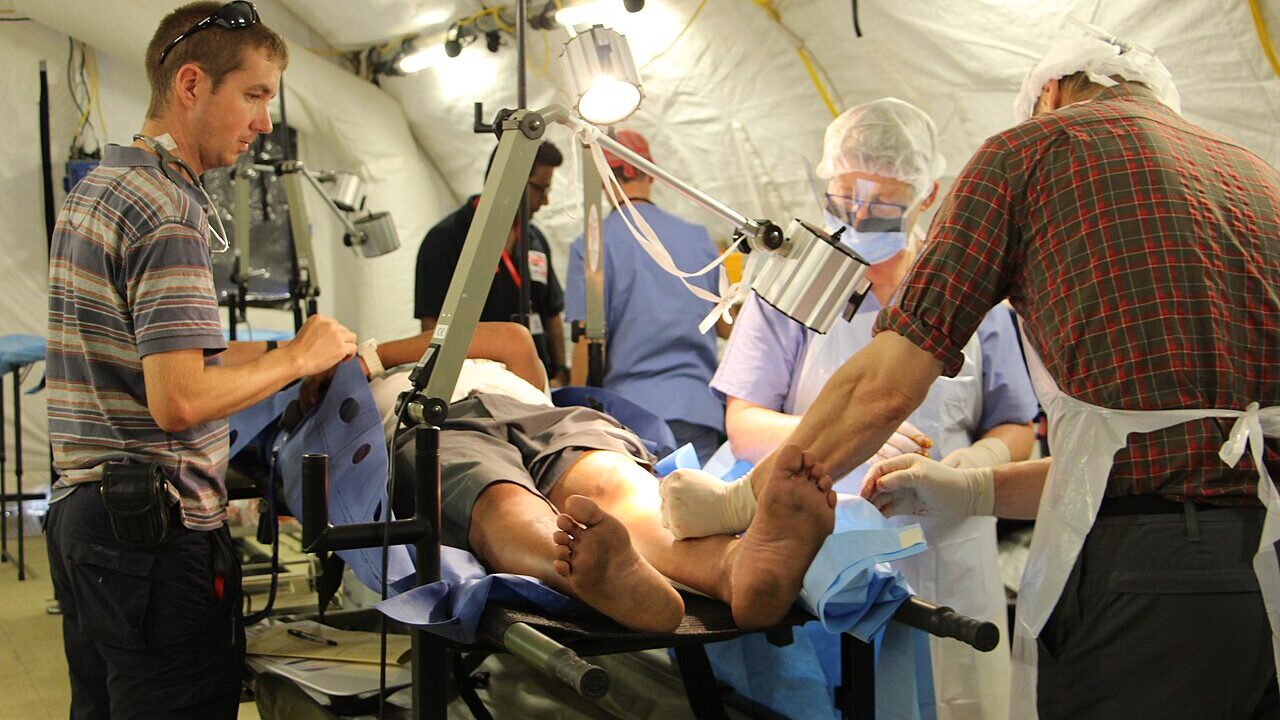
Patients from low-income backgrounds in the United States are more likely to die within a month of undergoing surgery under general anaesthesia than wealthier patients, according to a fifteen-year study of surgical outcomes.
The research examined records spanning a decade and a half and found that the gap persisted even after accounting for the type of operation performed. Investigators said patients with lower incomes were more likely to arrive at surgery with frailty and multiple existing conditions, and more likely to face delays in follow-up care after being discharged.
Anaesthesia itself is rarely the direct cause of death in modern practice, but the period after an operation concentrates a patient’s risks: infection, cardiac strain and complications from pre-existing disease all tend to surface within the first month. The study suggests that social and economic circumstances shape how well patients come through that window.
Researchers noted that income is not captured consistently in medical records, which complicates efforts to track disparities of this kind. In the analysis, neighbourhood-level measures and insurance status were among the markers used to estimate patients’ economic position, according to reports of the study.
The findings add to a growing body of evidence that outcomes after major procedures reflect conditions outside the operating theatre as much as events inside it. Specialists commenting on the work said hospitals could narrow the gap by identifying high-risk patients earlier, arranging structured follow-up for those without easy access to primary care, and checking that medication and recovery instructions are understood before discharge.
The study’s authors cautioned that their results describe associations across a large population rather than the risk faced by any individual patient, and called for the disparity to be monitored as routinely as surgical infection rates now are.
Patient advocates said the results strengthen the case for treating social risk as a clinical variable, recorded and acted on in the same way as blood pressure or blood sugar. Several hospital systems in the United States have begun screening surgical patients for food, housing and transport insecurity precisely so that support can be arranged before complications develop.