

The television licence fee is “no longer fit for purpose”, the BBC’s new director-general has shared in a shocking admission.
Speaking in his first public address since taking on the role, former Google executive Matt Brittin described the levy as “yesterday’s model” and a “busted flush”.
As it stands, a standard TV licence costs households £180 a year, or £90 a year for a black-and-white licence, with some concessions being available.
The majority of the BBC’s funding comes from the charge, but the number of Britons paying the fee has fallen in recent years.

The BBC boss has suggested the TV licence is not fit for purpose
|
GETTY
He shared: “We can and should be doing as much as possible on [enforcing] licence fee collection under the current model.
“But it’s yesterday’s model, it’s a busted flush, it’s no longer fit for purpose, and that’s why we need to make the case for the BBC and a shift of the licence fee model.”
Despite this intervention, Mr Brittin did not specify an alternative to the status quo, with a subscription-style service having previously been suggested.
Previously, the new director-general and BBC chairman Samir Shah have recommended a compulsory charge applied to households, but this has been rejected by MPs.
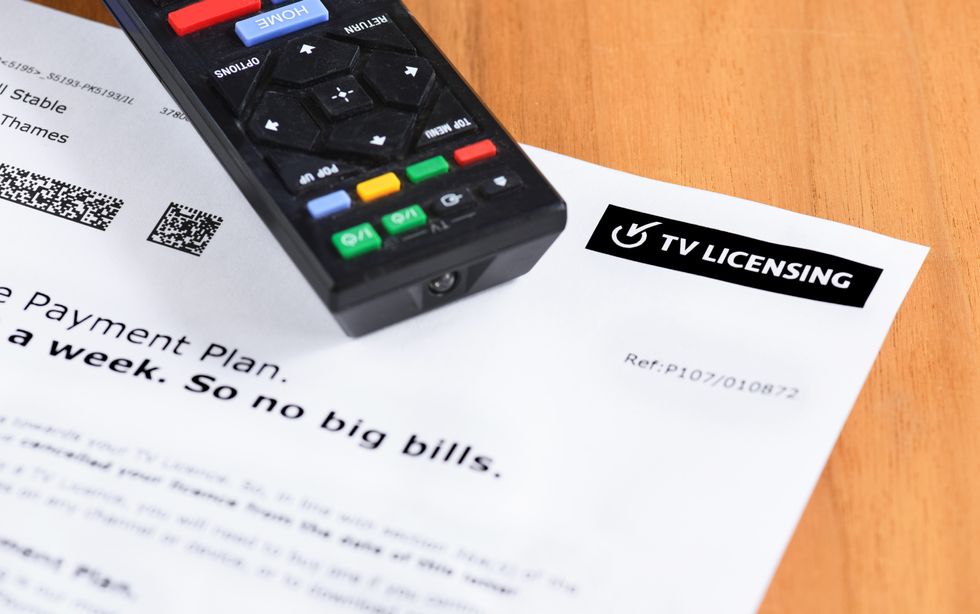 The corporation is taking an increasingly forceful stance to address declining licence fee payments | GETTY
Speaking in the House of Commons to the Culture, Media and Sport committee, Mr Brittin cited that such a tax may be collected via utility bills.
According to the new BBC boss, if all homes paid this updated TV licence through this method, the charge could be reduced to zero from its current amount.
He added: “The challenge is it’s been ruled out, and I can understand the concerns about cost of living and so on, on households, but I think it’s got merits and others have found it to have merits.”
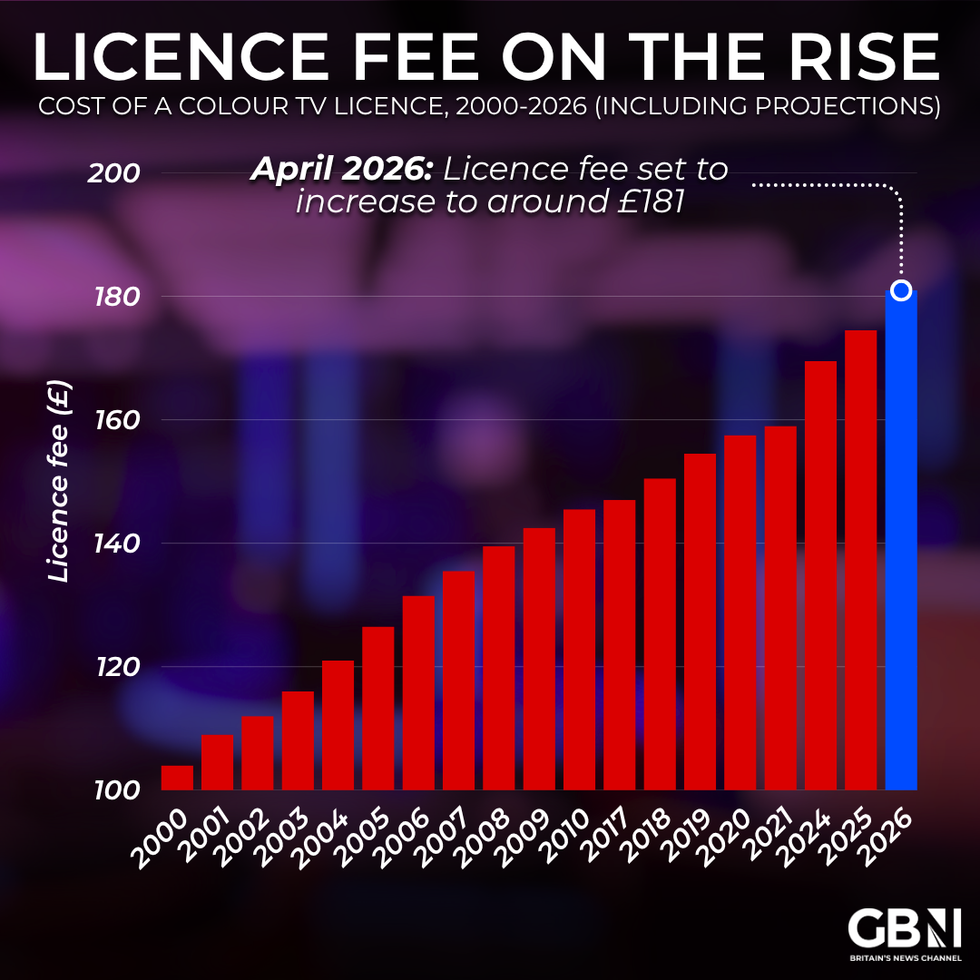 Licence fee on the rise: How much does the TV licence cost? | GB NEWS
All households need to pay the television licence every year to watch or stream programming as it is being broadcast live.
Calls to scrap the licence fee charge come as the public broadcaster prepares major changes to its royal charter.
The charter outlines the BBC’s public mission and funding arrangements, expires at the end of 2027 and is currently under public review.

Comments are closed.