

Eurovision bosses announces major changes for 2027 including strict hosting rights amid conflict

Rules governing the Eurovision Song Contest have been overhauled for the 2027 edition, with the European Broadcasting Union announcing that a series of changes for next year’s event.
It has been decided that any winning broadcaster whose country is embroiled in an armed conflict or sensitive geopolitical situation will be automatically barred from staging the following year’s event.
The updated regulations, revealed on Wednesday, also grant the EBU authority to block hosting rights where any other circumstance materially compromises the security, safety or stability of the victorious nation or its surrounding area.
According to the EBU’s newly published rules: “The winning broadcaster will automatically be ineligible to host the Contest if an armed conflict, a sensitive geopolitical situation, or any other situation materially affects the security, safety or stability of their state or immediate region.”
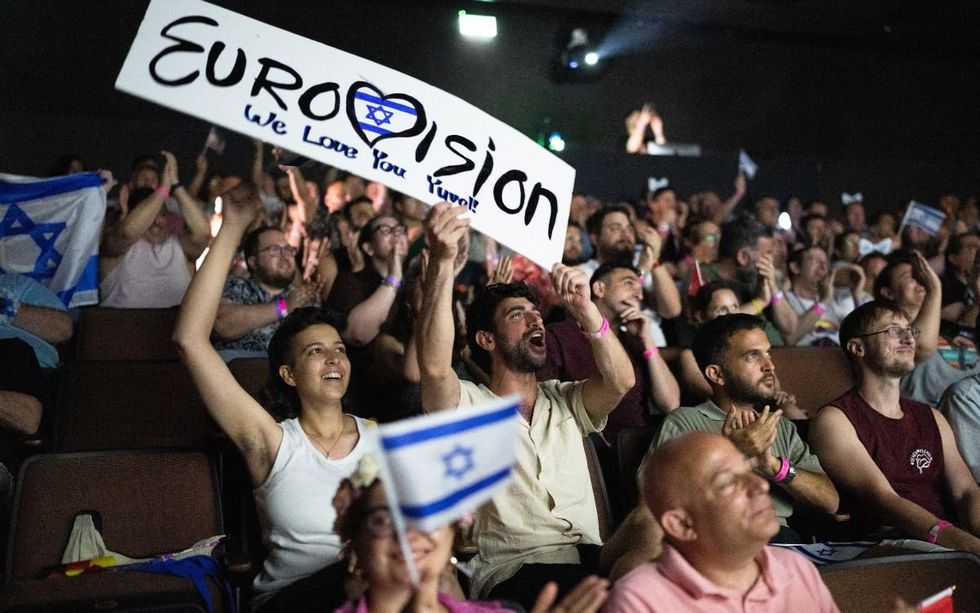
Eurovision Song Contest will change its rules from 2027
|
GETTYThe amendments will take effect from the 2027 competition, which is set to be held in Bulgaria.
Under the contest’s longstanding format, the broadcaster from the previous year’s winning country is offered the opportunity to stage the next edition at the EBU’s request.
The revised rules now set out several scenarios in which that privilege may be withdrawn and handed to an alternative broadcaster.
Hosting duties can be reassigned if the winning broadcaster refuses to comply with Eurovision’s official regulations or is unable to provide reasonable guarantees around the safety and security of participants, staff, audiences, media and commercial partners.
 Eurovision took place in England in 2023 | EUROVISION/TWITTER
A broadcaster may also lose hosting rights if it is found to have sought to unfairly sway the contest’s outcome in favour of its own entry.
Additionally, if a country fails to uphold Eurovision’s established non-political character it could also lose hosting rights.
In each case, the replacement broadcaster would assume full responsibility for organising and producing the event.
Where geopolitical or security concerns arise, the EBU retains the option to commission an independent assessment of conditions in the winning broadcaster’s region.
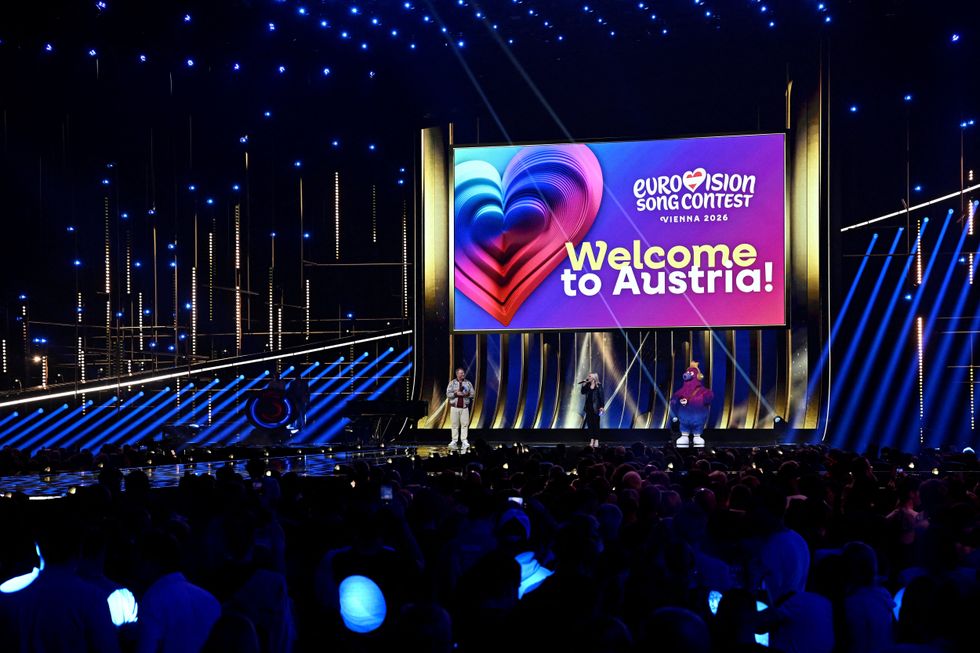
The rules will be implemented from next year’s show
|
GETTYAfter which it will consult its Reference Group before reaching a final determination.
The rules define “immediate region” as encompassing the winning broadcaster’s own country and any neighbouring territories where a conflict or crisis directly and materially affects the local security environment — for instance through military operations, attacks or restrictions on airspace.
Crucially, the EBU may reach its decision at any point, including before the grand final or straight after the winner is declared.
A ruling of this nature applies solely to hosting the subsequent edition and has no bearing on the broadcaster’s right to participate or on the contest result itself.

Countries involved in conflict will be banned from hosting
|
GETTY
Beyond the hosting provisions, the EBU has introduced further changes ahead of the 2027 contest in Bulgaria.
The minimum age for competing artists has been increased from 16 to 18, with performers required to meet the threshold no later than the first rehearsal day — a move aimed at shielding younger artists from the pressures of the competition.
The organisers have additionally tightened their guidance on the use of pre-recorded vocals during performances. Under the clarified regulations, lead vocalists are required to perform the melody live, though backing tracks may be permitted in certain defined circumstances.
The package of amendments represents one of the most significant overhauls of Eurovision’s rulebook in recent years, touching on everything from geopolitical eligibility to performer welfare.

Comments are closed.