Reports that OpenAI’s annualised revenue is running at about $50 billion, below the roughly $68 billion to $70 billion previously signalled, unsettled technology markets this week, according to coverage of the story.
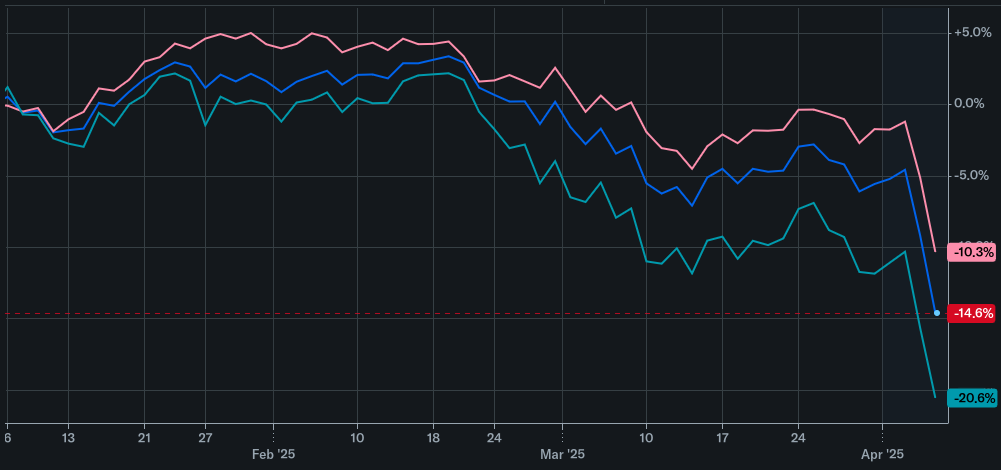
The reports were cited alongside sharp moves in the sector: the Nasdaq 100 fell 1.4 percent, a closely watched semiconductor gauge dropped 3.4 percent, and the S&P 500 slipped 0.5 percent. Chip and AI-infrastructure shares, which have carried much of the market’s gains this year, took the heaviest selling.
Investors should read the numbers carefully, because the reporting conflicts. Other coverage suggests OpenAI’s figures may still reach or top $70 billion by the end of 2026. Annualised revenue, a snapshot of one month multiplied by twelve, is a fast-moving measure for a company growing this quickly, and small differences in timing produce very large differences in headlines.
For Canadian investors, the episode is a useful stress test. Canadian pension funds and retail portfolios alike carry heavy exposure to US technology giants and to the chip supply chain. When AI sentiment wobbles in New York, it arrives in Canadian RRSPs and TFSAs the same afternoon.
Analysts make two broader points. First, expectations around AI spending are now so high that even strong growth can disappoint. Second, private-company revenue figures arrive without audited accounts, so markets are trading partly on estimates.
None of this settles the underlying question of how fast AI revenue is really growing. It does show how much of the current market rests on that answer. Until clearer figures emerge, conflicting reports, not confirmed results, are what is moving billions of dollars.
OpenAI has not publicly confirmed the figures cited in the reports.