The world economy will slow to 2.6 percent growth in 2026, down from 2.9 percent in 2025, as an energy shock from the Middle East works its way through trade and prices, the UN’s trade and development body UNCTAD expects.
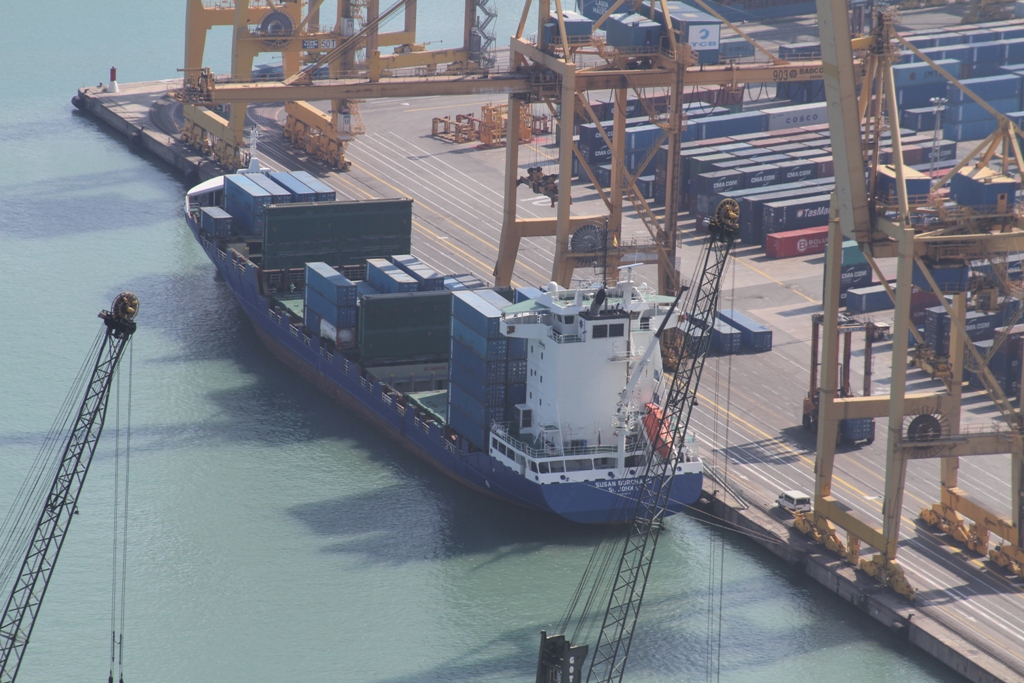
In its latest outlook, UNCTAD said trade in goods and services may still expand by about 4 percent in constant prices, following a record $35 trillion in global trade in 2025. Much of that increase, however, is being driven by higher energy prices rather than by larger volumes of goods moving around the world, a distinction that matters for how the numbers feel in daily life.
Asia is projected to supply 59 percent of global growth. India is forecast to expand by 7.3 percent, China by 4.5 percent and Indonesia by 5.2 percent, underlining how the centre of gravity of the world economy keeps shifting east.
For Canada, the report carries a double edge. As a major energy exporter, Canada can benefit when oil and gas prices rise, supporting revenues in producing provinces and the value of the Canadian dollar. At the same time, Canadian manufacturers and consumers face the same higher freight and input costs as everyone else, and a slower world economy usually means softer demand for Canadian metals, machinery and agrifood exports.
Economists say the bigger risk is not a single shock but a drawn-out period of expensive energy that keeps inflation stubborn and central banks cautious. That combination tends to squeeze households first, then small businesses that depend on borrowing.
UNCTAD’s message is that the slowdown is manageable if energy flows stabilise and trade routes stay open. If either assumption fails, 2.6 percent could prove optimistic. Canadian businesses planning 2027 budgets may want to treat the forecast as a base case, not a guarantee.