The Ukrainian Canadian Congress has formally called on the federal government to bar Washington Capitals captain Alex Ovechkin from entering Canada, escalating a campaign that puts Ottawa, the NHL and one of hockey's greatest players on a collision course ahead of a scheduled November 10 game in the capital.
In a statement issued October 8, the UCC argued that Ovechkin's public support for Russian president Vladimir Putin — including an appearance in a political campaign advertisement for Putin's United Russia party — amounts to promotion of Russia's war against Ukraine, which Canada's Parliament unanimously recognised in 2022 as genocide. The organisation called on the immigration minister to use his authority to deny entry, and asked the government to state publicly that Ovechkin will not be admitted for the Ottawa game or any subsequent ones.
The demand revives calls the UCC first made in 2022 and renewed this autumn after the campaign advertisement aired. Liberal MPs condemned Ovechkin's support for the Putin regime when the issue reached Parliament Hill in September, with Justice Minister Sean Fraser saying anyone who can look at events in Ukraine and turn a blind eye is, at best, wilfully blind. But ministers stopped short of endorsing sanctions or an entry ban, noting that such decisions rest with cabinet — sanctions with Global Affairs Canada, entry bans with the immigration department.
Ovechkin has said he wants peace and participated in the advertisement because he was asked. He has also never hidden his Russian identity or his support for his country, positions that have drawn criticism from Ukrainian advocates and from figures such as former Czech goaltender Dominik Hasek, who argues the NHL bears responsibility for showcasing him. Latvia has already banned him from entry.
The standoff is awkward for the league. Ovechkin is the NHL's all-time goals leader, playing what the Capitals have presented as a farewell season, and his team's visit to Ottawa is a marquee date. The league has declined to sanction Russian players as a class since 2022, and individual entry bans by host countries would create a precedent with competitive consequences.
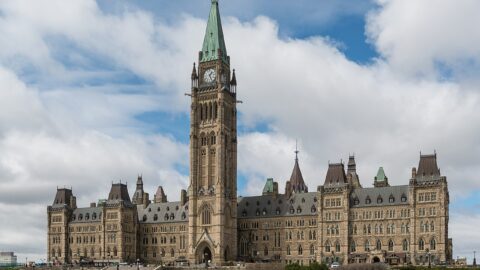
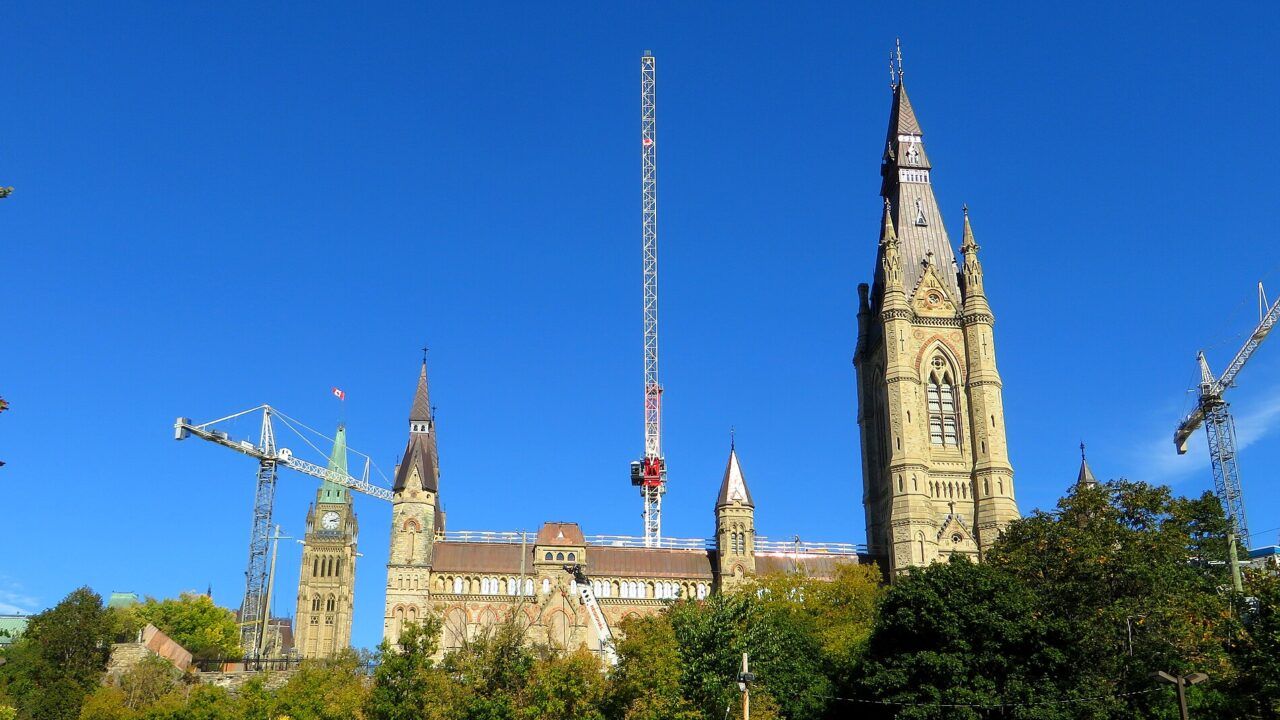
For Ottawa, the file lands on sensitive ground. Canada hosts one of the world's largest Ukrainian diasporas, has committed billions in support to Kyiv, and has sanctioned hundreds of Russian individuals — but not athletes for political speech. The government must now decide whether Ovechkin's endorsements cross its threshold, knowing any answer sets a rule for the next case.
The Capitals play in Ottawa on November 10. The puck, for now, is in the government's zone.
The government's silence since September is itself a position. Cabinet-level sanctions and entry bans are deliberately slow instruments, and Ottawa has existing lists of sanctioned Russian figures it could extend without new law. What an entry ban on an athlete would add is symbolism with enforcement attached: border officers, not press releases, would deliver the verdict at the airport.
It would also set the template for every comparable case — the Russian tennis player, the Belarusian footballer, the celebrity endorser — and allies are watching one another for first movers. Latvia's ban gave smaller states permission; a Canadian ban would give the argument the weight of a G7 hockey power, weeks before the Capitals' scheduled appearance in the capital of a country whose Ukrainian community numbers over a million.
The NHL, for its part, has built its position on keeping sport and statecraft separate, a wall that has cracked under every war of the television era. November 10 is now a date on which that wall gets inspected — by ministers, by protesters who have already promised to be outside the arena, and by a Congress of Ukrainian Canadians that has told the government, in writing, exactly what it expects.