
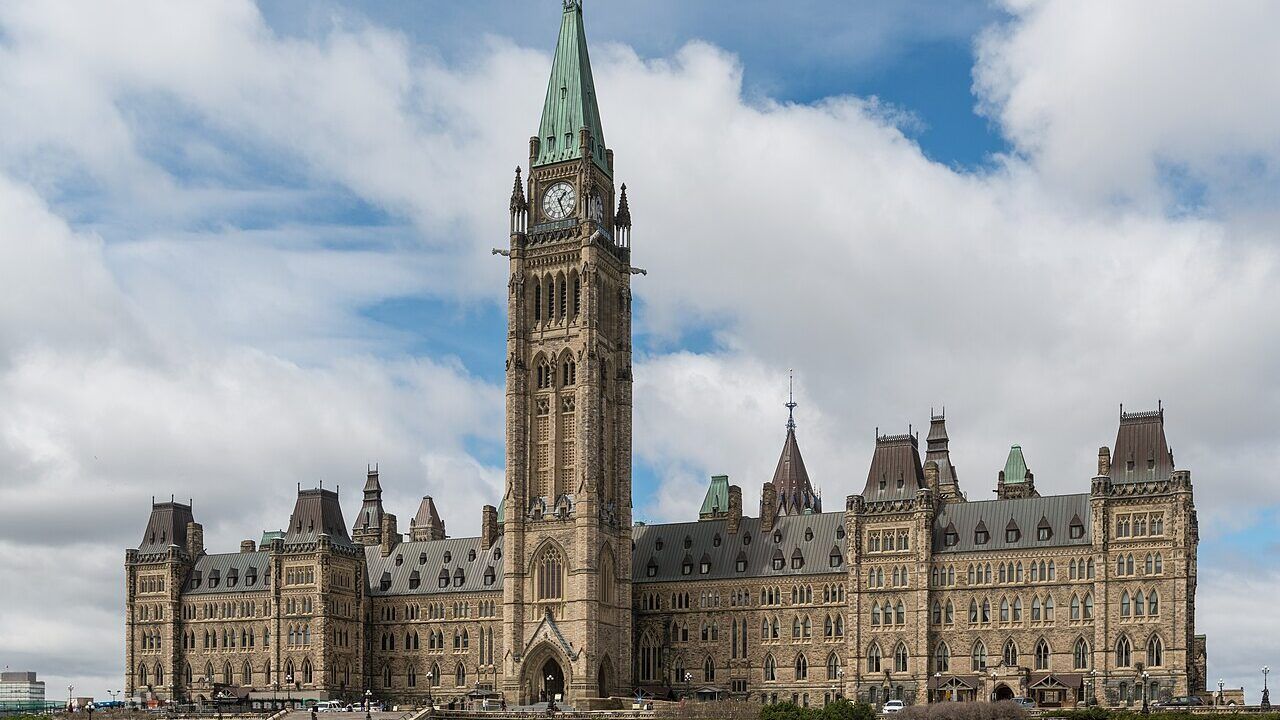
Canada’s climate plan is under fresh scrutiny after a new national analysis found the country’s greenhouse gas emissions rose in 2025, leaving Ottawa further from the targets it has set for 2030. The findings raise a pointed question for the federal government as it weighs energy prices, housing and industrial growth against its climate commitments: are those 2030 targets still realistic, or are they quietly being rewritten?
Ottawa’s benchmark is the 2030 Emissions Reduction Plan, which commits Canada to cutting emissions 40 to 45 per cent below 2005 levels by 2030, with a net-zero target for 2050 written into law. Successive watchdog reviews have warned that the country is not yet on that path, which is why each new emissions tally becomes a political event in the capital: it tests whether the government’s mix of industrial carbon pricing, rebates and regulation is closing the gap, or whether the target itself will have to move.
Put to Environment Minister Julie Dabrusin on Power & Politics, the question drew a careful answer. The targets, she said, were always ambitious, and Canada is stepping up its fight against climate change — pointing to Ottawa’s new national heat pump rebate as one part of that effort. Watch the exchange below.
Video credit: CBC News (official channel).
To understand why a single emissions tally carries so much weight in Ottawa, it helps to know how Canada keeps score. The federal government publishes a national greenhouse gas inventory every year, built from data reported by provinces, industry and Statistics Canada, and submitted to the United Nations as part of Canada’s international reporting obligations. That inventory becomes the official record against which the 2030 target is measured, which is why its release is treated less as a statistics update and more as a progress report on a promise written into policy.
The scrutiny cycle that follows is also built into law. The Canadian Net-Zero Emissions Accountability Act, passed in 2021, requires the government to set successive national targets, table emissions reduction plans, and report regularly on whether measures are working. The environment commissioner, working inside the Auditor General’s office, independently audits those plans and reports, while the Net-Zero Advisory Body provides public advice. In practice, that means a high emissions number does not stay a headline for a day; it flows into parliamentary committee hearings, auditor findings and the next round of progress reports, each asking whether existing measures are sufficient or whether new ones are needed.
That gap analysis is where the political argument usually lives. Federal plans group measures by sector — electricity, oil and gas, heavy industry, buildings, transportation, agriculture and waste — and estimate how much each measure is expected to reduce emissions by 2030. When the inventory moves in the wrong direction, the debate is rarely about whether the target exists, but about which sector is lagging, whether regulations are coming into force quickly enough, and how much of the shortfall can realistically be closed in the remaining years. Energy prices, housing construction and industrial competitiveness enter the same discussion, because many of the policies that cut emissions also shape costs for households and businesses.
Jurisdiction makes the Canadian picture more complicated than a single federal scoreboard suggests. Provinces and territories control much of the electricity system, natural resources and building codes, while Ottawa sets national backstops, including industrial carbon pricing and clean electricity rules. A national total can therefore improve in one region and worsen in another for reasons that have little to do with a single government. That shared responsibility is why federal ministers tend to speak about partnership and provincial action when the numbers disappoint, and why opposition critics tend to answer that a national target ultimately needs a national plan that adds up.
It is also why committee scrutiny matters beyond the climate file itself, since the same test — whether a stated goal is matched by a credible delivery plan — now runs through other major federal legislation, including the Building Canada Strong bill as it heads into its committee fight in Ottawa. For the climate targets, the coming sequence is predictable: a detailed federal response to the latest inventory, updated modelling on what current measures will deliver by 2030, and fresh watchdog assessments of whether that modelling is realistic. Until those pieces line up, each new tally will keep reopening the same question raised in this exchange — not whether Canada has set ambitious targets, but whether the policies on the books can still reach them on time.
Related reading: Oilers Acquire Forward Hallander From Penguins for Defenceman Stastney · Carney Designates Pacific Link Pipeline a Project of National Interest · Parti Québécois Wins Minority as CAQ Is Wiped Off Quebec's Map