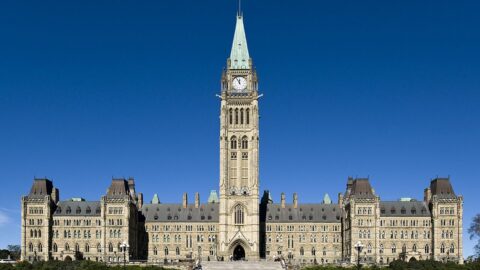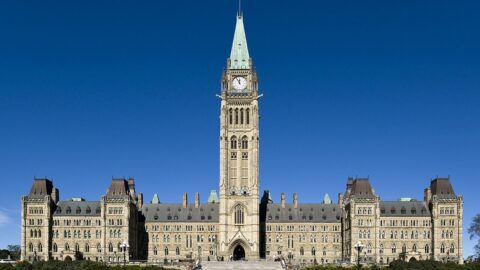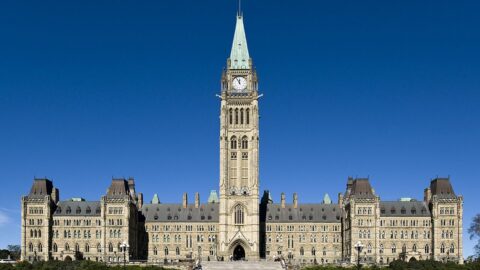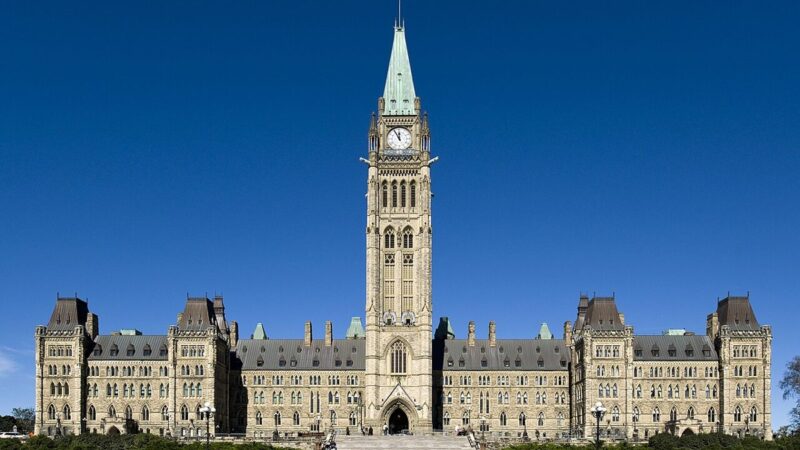
Montreal hosts a Canada European Union summit on Thursday and Friday, and the meeting arrives at a moment when Ottawa is actively looking for partners beyond Washington. Prime Minister Mark Carney has set a goal of doubling Canada’s exports to markets outside the United States over the next decade, and the summit is designed to turn that ambition into closer economic and security ties with Europe. European Commission President Ursula von der Leyen has proposed making Canada the European Union’s first associate member, although that status has yet to be defined, and the ambiguity is part of the point: both sides want a closer relationship, and both sides are still working out what closer means in practice.
What associate membership could mean
Associate membership, as floated, would give Canada a structured place in European discussions on trade, security and industrial policy without full membership, which is neither offered nor sought. For Canada, the attraction is access: to European defence procurement, to critical minerals partnerships, to research programmes and to a market of 450 million people that is looking to reduce its own dependence on the United States and China. For Europe, the attraction is a stable, like minded partner with energy, minerals, Arctic access and a military that is increasing its spending. The summit follows Monday’s historic First Nations meeting in Ottawa and comes as Canada United States tariff talks intensify, a sequence that underlines Carney’s broader strategy: hold firm on red lines with Washington, deepen ties with Europe, and build domestic partnerships at the same time.
The test in Montreal
Summits are easy to announce and hard to judge. The Montreal meeting will be judged on specifics: defence procurement openings for Canadian firms, concrete critical minerals agreements, and any movement on the trade irritants that have limited Canada European Union commerce since the comprehensive trade agreement came into force. It will also be judged on tone. Canada is presenting itself not as a country asking Europe for shelter from American tariffs, but as a partner offering Europe energy security, Arctic stewardship and industrial capacity. The Canada trade news this week shows why that framing matters: Ottawa’s leverage with Washington depends partly on showing it has credible alternatives, and a substantive Montreal outcome would strengthen that leverage more than any statement of intent. If the summit produces only warm words, it will still be a useful signal. If it produces deals, it will mark a real shift in Canada’s place in the world.