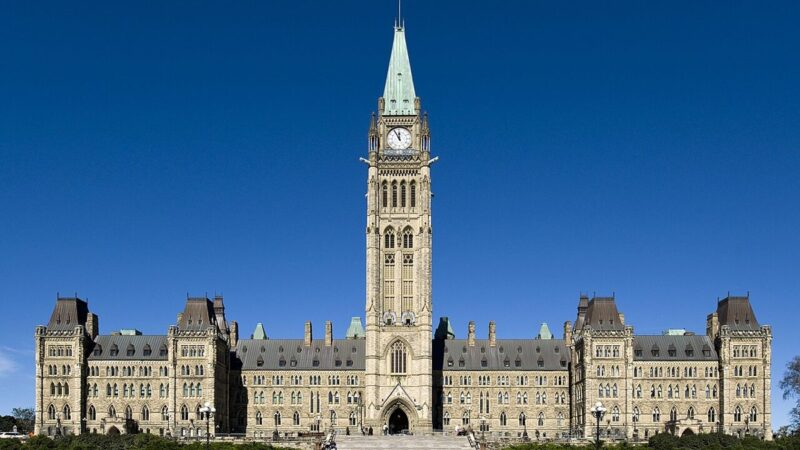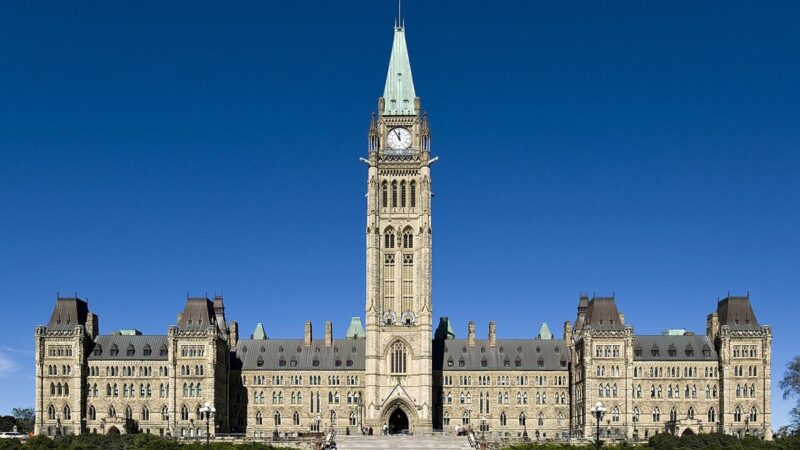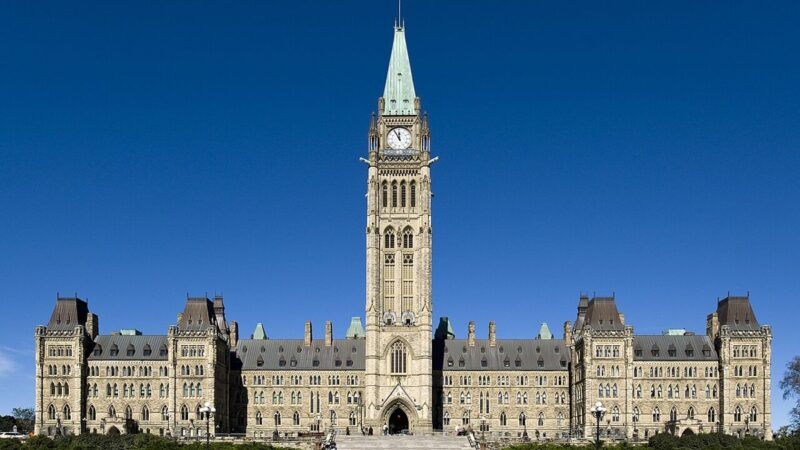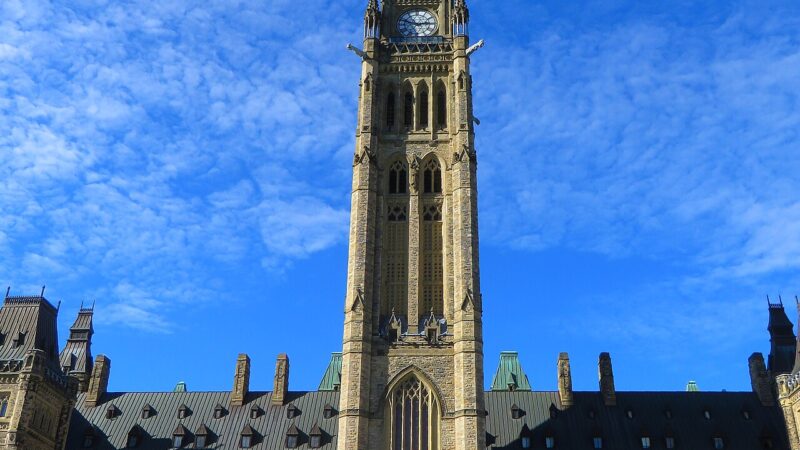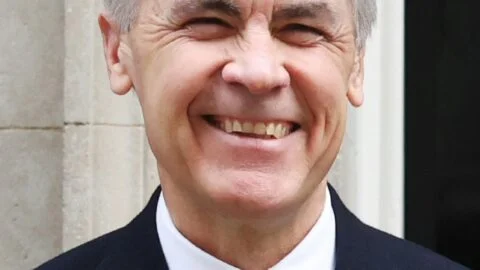
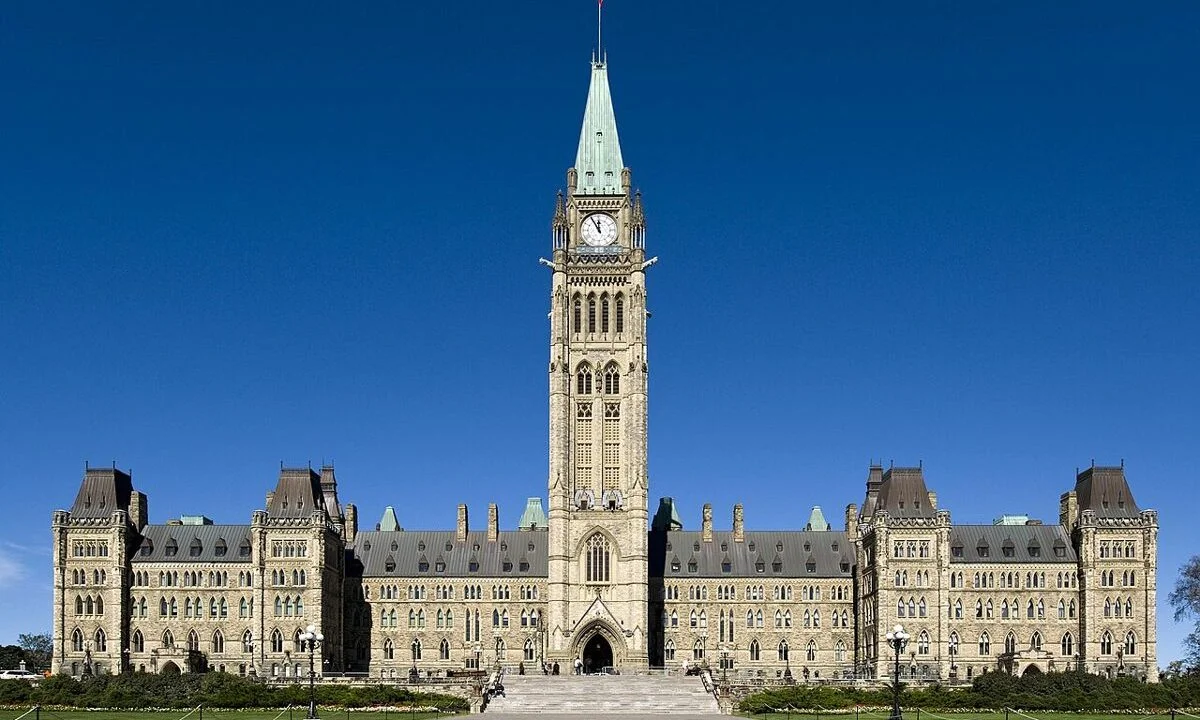
Prime Minister Mark Carney says Canada is open to moving beyond the Indian Act, after a historic meeting in Ottawa on Monday with First Nations leaders and premiers put the 1876 law back at the centre of the national conversation. Manitoba Premier Wab Kinew raised the issue publicly, describing change as long overdue, and Carney said he is committed to a process that moves Canada beyond the Indian Act, directing his ministers to work in partnership with First Nations to chart that path together. If the Act is abolished, Carney said, the desirable end state would be fully modernising the governance relationship between Ottawa and First Nations. Assembly of First Nations National Chief Cindy Woodhouse Nepinak responded that the decision about the Act’s future would ultimately be up to First Nations communities across Canada, noting their diversity and presence in every province and territory.
Why the Indian Act still matters
The Indian Act is one of the oldest pieces of legislation still shaping daily life in Canada. It governs band administration, reserve lands, status and a range of matters that First Nations have long argued should be decided by First Nations themselves. Previous attempts to scrap it have failed, most famously Ottawa’s 1969 White Paper, which proposed abolishing the Act and which First Nations rejected. That history is why Woodhouse Nepinak’s caution matters as much as Carney’s openness: many nations were caught off guard by the speed of Monday’s discussion, and a process imposed from Ottawa, even with good intentions, would repeat the mistake the White Paper made. The meeting also addressed a proposed First Nations Sovereign Wealth Fund, which Carney described as an opportunity for First Nations to share directly in the wealth the country is creating, and he instructed Finance Minister Francois-Philippe Champagne to explore that fund and other ways First Nations could benefit from major government projects, including an Alberta to West Coast pipeline currently facing legal challenges.
What happens next
The test now is process. Carney’s government is seeking support from First Nations leaders for major projects that have encountered legal obstacles, and the credibility of that search depends on whether First Nations shape the replacement for the Indian Act rather than merely being consulted about it. A genuine partnership would mean timelines, resources and decision making power shared from the start, not a finished proposal presented for approval. The Ottawa political news this week shows a government trying to move on several fronts at once, from trade talks with Washington to a European Union summit in Montreal. The Indian Act question will outlast all of them, because it is not a policy file. It is the legal framework of a relationship, and changing it will take longer, and matter more, than any single summit or trade deal.