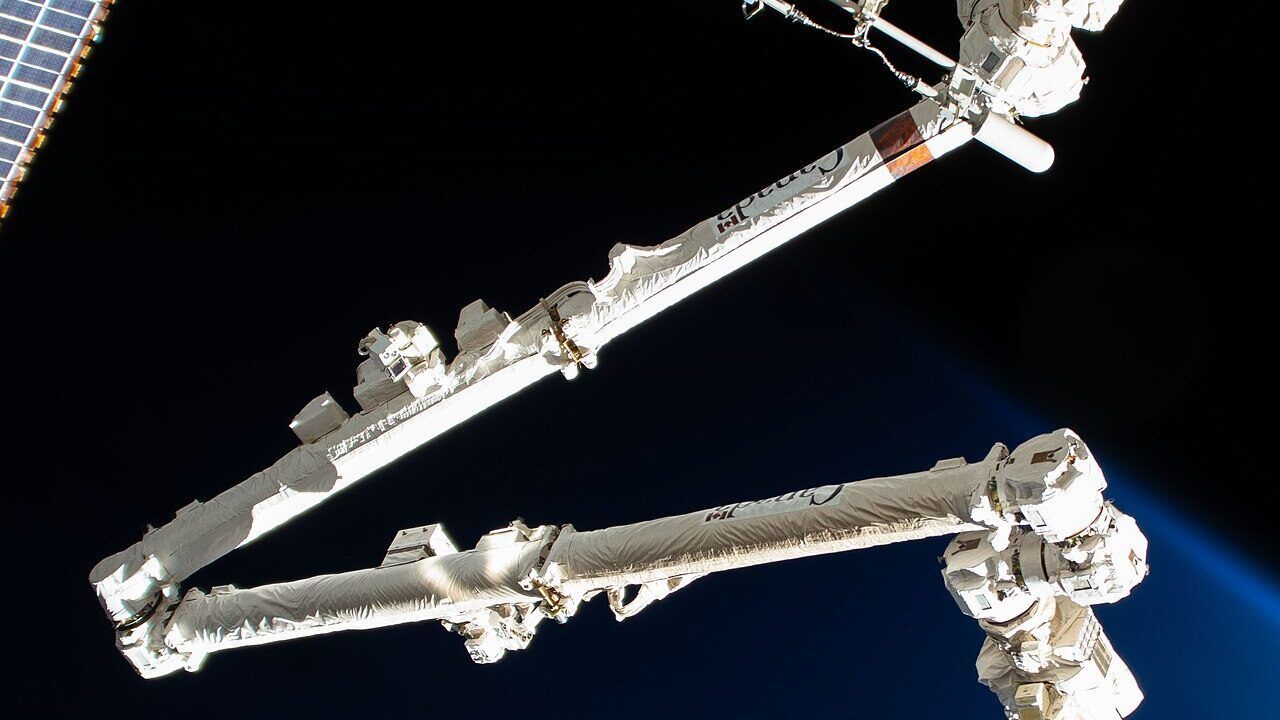
Canada has a new astronaut in orbit. Joshua Kutryk of Fort Saskatchewan, Alberta, arrived at the International Space Station on Oct. 2 as part of NASA’s SpaceX Crew-13 mission, beginning a stay of about six months aboard the orbiting laboratory.
Kutryk, a former CF-18 fighter pilot selected as a Canadian Space Agency astronaut in 2017, is on his first spaceflight. He joins Expedition 75 to conduct science experiments, research and maintenance work — the latest chapter in Canada’s long partnership aboard the station, from Canadarm2 to the next generation of missions beyond Earth orbit. Watch his crew’s welcome aboard below.
Video credit: Canadian Space Agency (official channel).
Kutryk’s arrival continues one of the longest-running stories in Canadian technology. Canada has flown astronauts since Marc Garneau’s 1984 shuttle mission and kept a continuous presence in the station era through the robotics that made the outpost possible — Canadarm2 remains the instrument that quite literally assembles and services the ISS. A Canadian aboard for a six-month expedition extends that record into the station’s final decade, even as the programme’s centre of gravity shifts toward the Moon.
The Alberta angle is more than sentiment. Kutryk’s route — Air Cadets, the Royal Military College, CF-18 cockpits, test-pilot school — is the classical Canadian astronaut pipeline made visible, and the Canadian Space Agency has never been shy about using it: his crewmate on the Artemis II lunar mission, Jeremy Hansen, trained the same way. Recruitment for the corps’ next class will ride on the school visits and broadcasts that follow arrivals like this one.
A six-month stay aboard the International Space Station follows a rhythm refined over more than two decades of continuous occupation. The station’s crew is organised into overlapping expeditions, so that arriving astronauts overlap briefly with departing colleagues before the newcomers take over daily operations. That handover matters: experiments run for months across crew changes, maintenance knowledge is passed person to person, and no single arrival or departure leaves the laboratory unattended. A typical rotation balances science time with the unglamorous work that keeps the outpost alive — exercise to counter bone and muscle loss, robotics operations, systems checks, cargo unloading and the steady repair of equipment operating in vacuum and temperature extremes.
Canadians reach that rotation through a partnership rather than a national launch system. Canadian Space Agency astronauts train alongside international partners for years before assignment, qualifying on station systems, robotics, spacewalking procedures, spacecraft operations and the Russian language historically used aboard partner vehicles, while also preparing the specific experiments they will run or support. Once in orbit, a Canadian crew member works as a generalist: conducting research for investigators on the ground, operating Canadarm2 for captures, inspections and maintenance support, and serving as a test subject for studies of how long-duration flight affects balance, vision, cardiovascular health and cognition. The data return with the astronaut; the hardware, and the questions, largely stay aloft for the next crew.
That model has let a relatively small astronaut corps sustain an outsized presence. Canada contributed the station’s robotics in exchange for flight opportunities, and each long mission renews the bargain: Canadian technology and operations expertise help run the station, while Canadian researchers gain access to a laboratory that cannot be replicated on Earth. The pipeline now points beyond low Earth orbit, toward lunar missions where crews will travel farther, communicate with delays and operate with less prospect of rapid return. Experience accumulated across a six-month expedition — troubleshooting without a ground team in the room, managing scarce exercise, sleep and private time, coordinating in a multinational crew — is precisely the experience those deeper missions will demand, which is why a routine arrival still carries strategic weight.
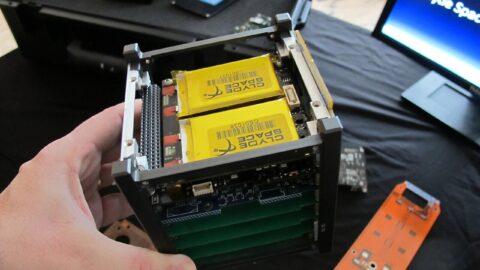
The ecosystem feeding that future is widening at home as well. Alongside the agency’s astronaut programme, Canadian firms are building and operating their own hardware in orbit, turning spaceflight from a purely governmental endeavour into a broader national industry of satellites, robotics, optics and data services. Readers following that commercial thread can see it at work in a Markham firm, NordSpace, putting its first satellite to work in orbit, a small mission with the same underlying arc as a station expedition: Canadian engineering, launched through partnership, earning its place by performing on orbit. For students watching an arrival from Fort Saskatchewan or anywhere else in the country, the message is doubled. There is still a path that runs through flight suits and mission control — and, increasingly, a second path that runs through Canadian hangars, clean rooms and ground stations toward the same sky.
Related reading: Watch: Alberta and N.W.T. Move to Scrap the Seasonal Time Change · Watch: Draisaitl Deals Four Assists as Oilers Beat Ducks 5-2 · Watch: Canada's Climate Targets Under Fresh Scrutiny in Ottawa