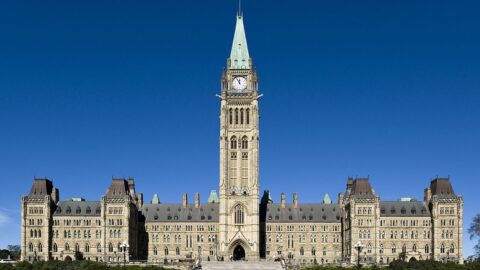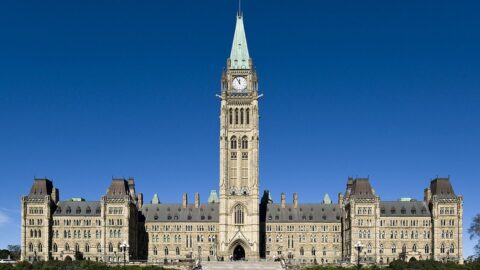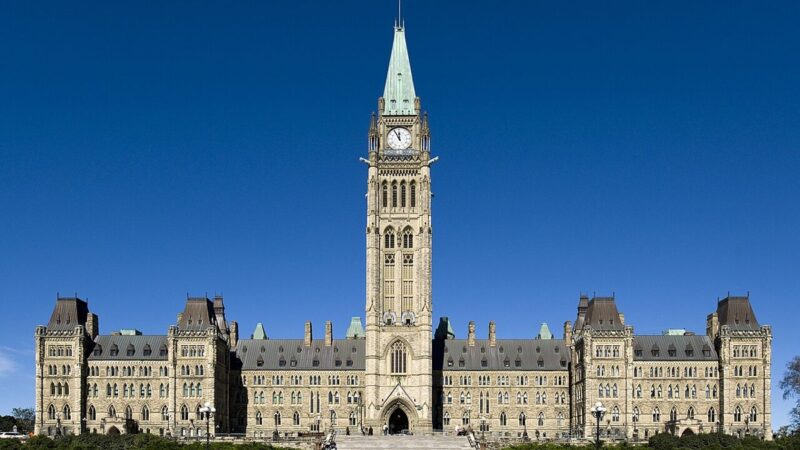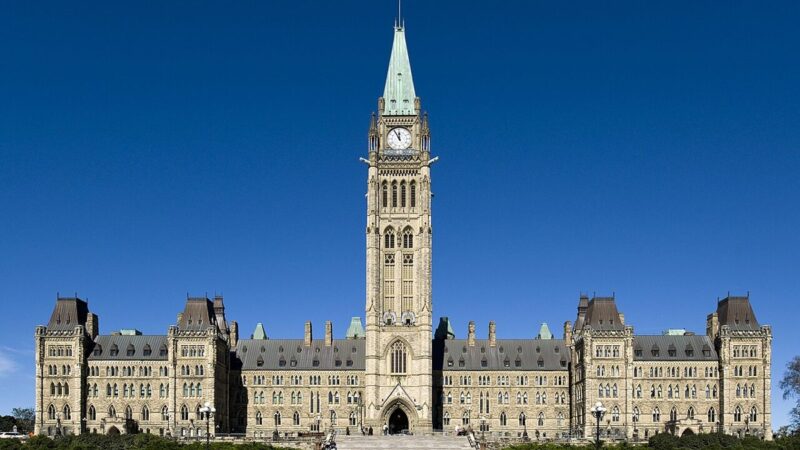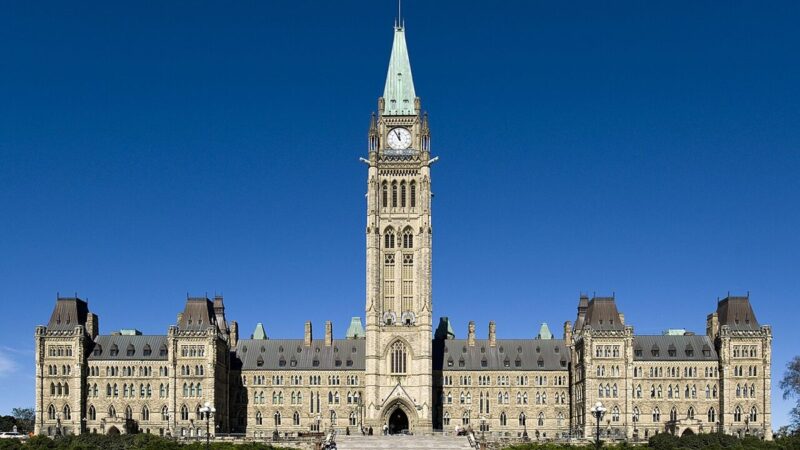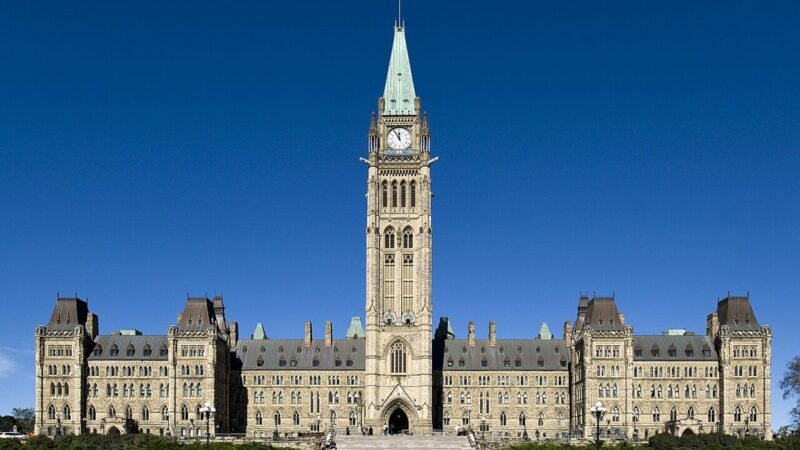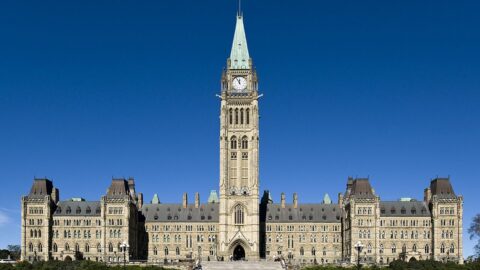
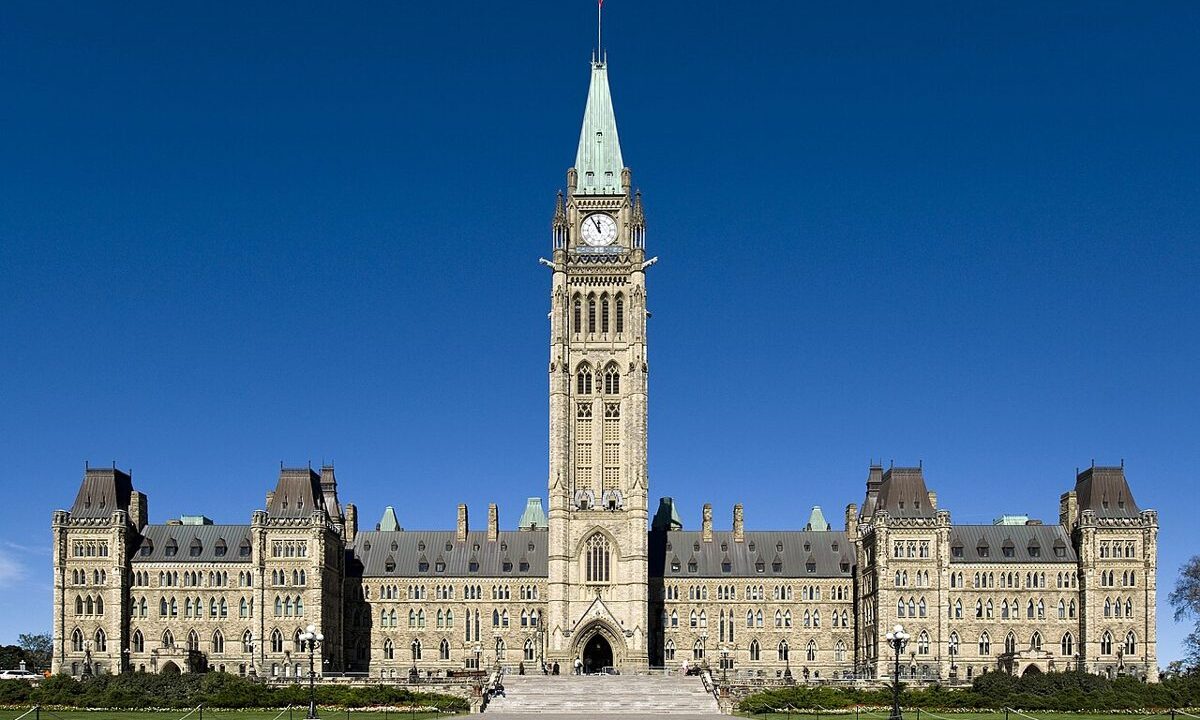
The Montreal summit is over, and the work now moves to Ottawa. Prime Minister Mark Carney has said any enhanced partnership with the European Union would require approval by the Canadian parliament, which means the Alliance for the Future launched on October 30 will be tested not only in negotiations with Brussels but in the House of Commons, where MPs will ask what exactly they are being asked to approve. That parliamentary test is the most important domestic consequence of the summit, and it will shape how the government negotiates over the coming year.
The declaration itself is careful about what it promises. Canada and the EU agreed to work towards an ever closer association, short of full membership, and to define that concept by their 2027 summit. Substantive negotiations on a digital trade agreement have concluded, negotiations on a competition agreement are complete, and a framework allows the European Investment Bank to finance Canadian critical mineral projects. Those items can proceed through existing channels, but the larger question of association, with its implications for participation in EU programmes and for obligations Canada would accept, is a constitutional and political question as much as a trade one, and parliament is where it must be answered.
The opposition questions to expect
Opposition MPs will ask three kinds of questions. First, sovereignty: what decision making power, if any, would Canada accept in exchange for access, and where would Canadian law still prevail? Second, cost and benefit by region: which provinces and sectors gain from minerals financing, digital trade and defence contracts, and which bear adjustment costs? Third, precedent: what does a new category of association mean for Canada’s other partnerships, including the United States, with which Canada already has a comprehensive trade agreement that eliminates tariffs on 98 percent of goods? None of these questions has a settled answer in the declaration, which is why the year to 2027 matters more than the applause in Montreal.
The government’s strongest argument in parliament is the signed package itself. EU imports of Canadian critical minerals rose 62 percent in 2025 to 3.3 billion euros, trade in goods and services reached roughly 130 billion euros, and the summit produced concrete items on supercomputing access, with Canada joining the European high performance computing undertaking, and on a 1.6 billion Canadian dollar investment in Cohere. Those are benefits MPs can point to in their constituencies, from research labs to mining communities, and they give the government a record to defend while the association question is negotiated.
A year of scrutiny, not just negotiation
Parliamentary scrutiny will also cover the summit’s defence and security items, which deserve more attention than they received in the first headlines. Canada signed its second contract under the EU’s Security Action for Europe initiative, worth more than 44 million dollars, for Montreal based Galvion to supply military helmets to Latvia, and Canada joined the EU’s 90 billion euro loan package for Ukraine with an initial contribution of 500 million euros. Both items involve public money and foreign policy commitments, and both will be examined by committees that will want to know what Canada receives in return, and what further commitments might follow.
The honest verdict on Montreal, from a parliamentary perspective, is that it launched a process with real early deliverables and a major unresolved question. The European Council account of the summit records six cooperation areas and a commitment to define ever closer association by 2027, and Carney has tied that definition to parliamentary approval. That sequence, negotiate first, approve second, is the right order for a democracy, but it means the summit’s legacy will be decided in Ottawa as much as in Brussels, in committee rooms and votes that have not yet happened.