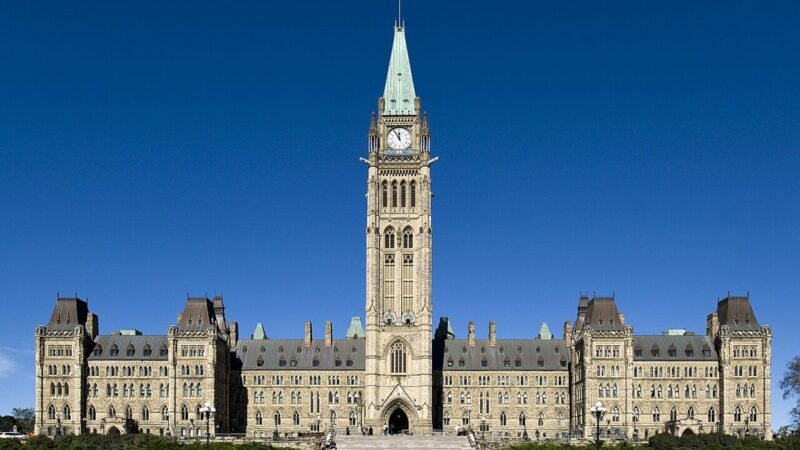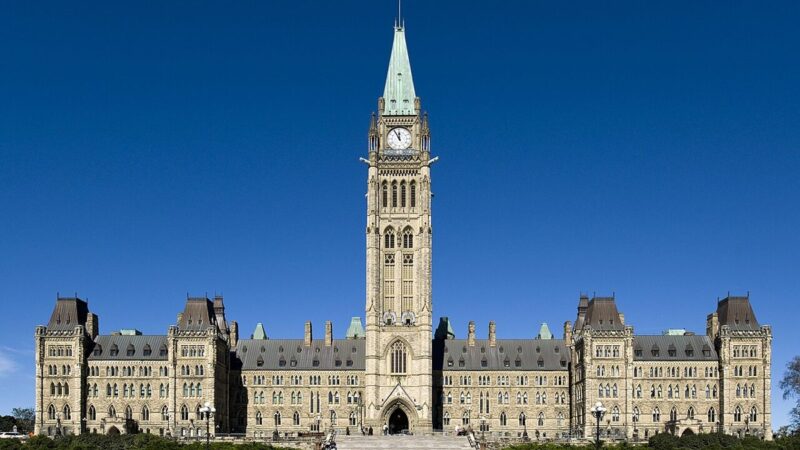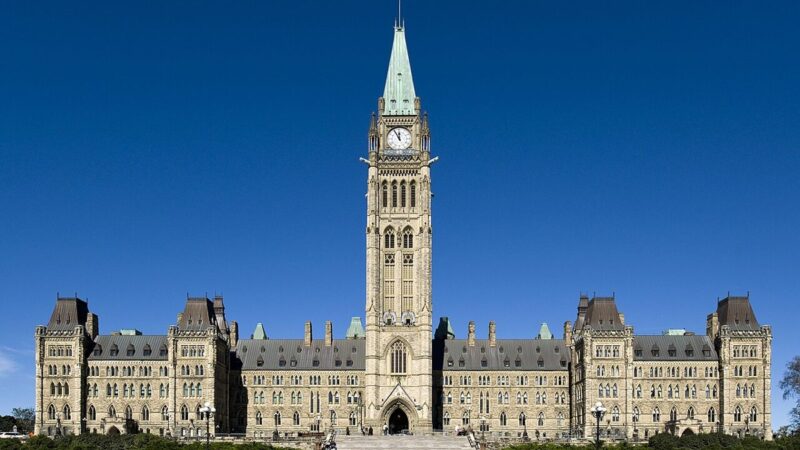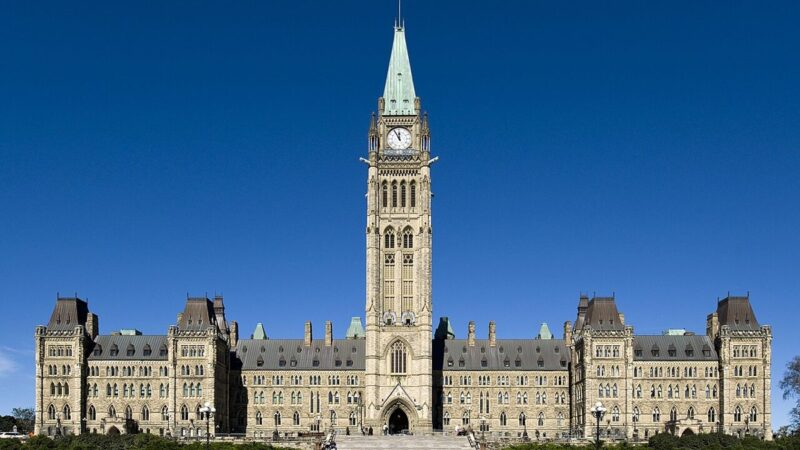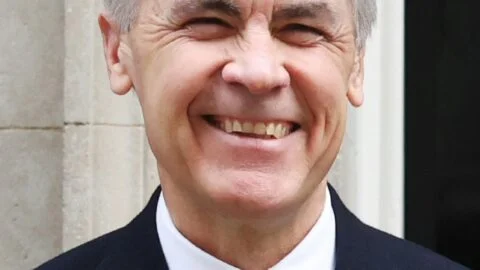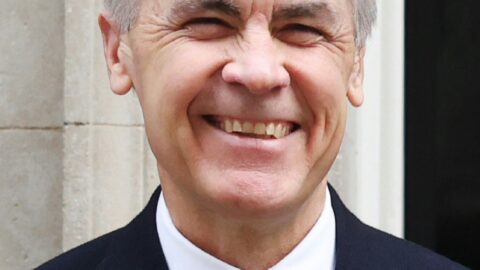
Montreal has two days to turn a phrase into a plan. On October 29 and 30, Prime Minister Mark Carney hosts European Council President Antonio Costa and European Commission President Ursula von der Leyen for the 21st EU Canada Summit, where the two sides are expected to launch what they call an Alliance for the Future. Carney said on October 27 that the summit will begin formal discussions and negotiations over the coming year, a timetable that tells Canadians something important: this summit is a starting line, not a finish line.
The partnership would be built on a strong foundation. The Comprehensive Economic and Trade Agreement has led to an increase of more than 80 percent in trade in goods and services over 10 years, according to the draft joint declaration, and the Prime Minister’s Office cites 178 billion dollars in Canada EU trade value, 219 billion dollars in EU foreign direct investment stock in Canada, and 315 billion dollars in Canadian investment in the EU. Those are not abstract numbers. They represent factories, ports, research labs and pension funds on both sides of the Atlantic.
What the year of talks must settle
Draft outcomes under discussion include a digital trade agreement, a framework to let the European Investment Bank finance Canadian critical minerals projects, and deeper defence and secure communications cooperation. Officials say talks will not create full free movement of labour, and will instead explore targeted mobility for specialised workers and student exchanges such as Erasmus. Each of those items needs a separate negotiation, a separate legal text and, in several cases, provincial cooperation, which is why a year is a realistic timetable rather than a delaying tactic.
Two political facts will shape that year. The first is that the associate member label proposed by von der Leyen does not exist in the EU treaties, and several member states, including Germany, are objecting to the phrase. The second is that Quebec’s new Parti Quebecois government is pressing for a formal role when agreements touch provincial powers such as resources and education. Neither fact blocks a partnership, but both mean the summit declaration will be judged by what it launches, not by what it claims to have finished.
The American shadow over Montreal
Montreal also matters because of what is not happening elsewhere. Roughly 70 percent of Canadian goods exports still go to the United States, where selected goods face 25 to 50 percent tariffs and formal talks collapsed in August 2026. Diversification is therefore not a slogan for Ottawa, it is a practical response to a trading relationship that has become unreliable. Reports of the summit agenda make that context explicit, and Big News Canada’s earlier summit preview asked the same question Montreal must answer: can Canada turn to Europe for real deals, not just real declarations? The next two days will show whether the answer starts to take shape.