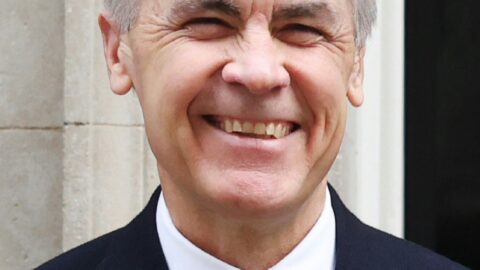
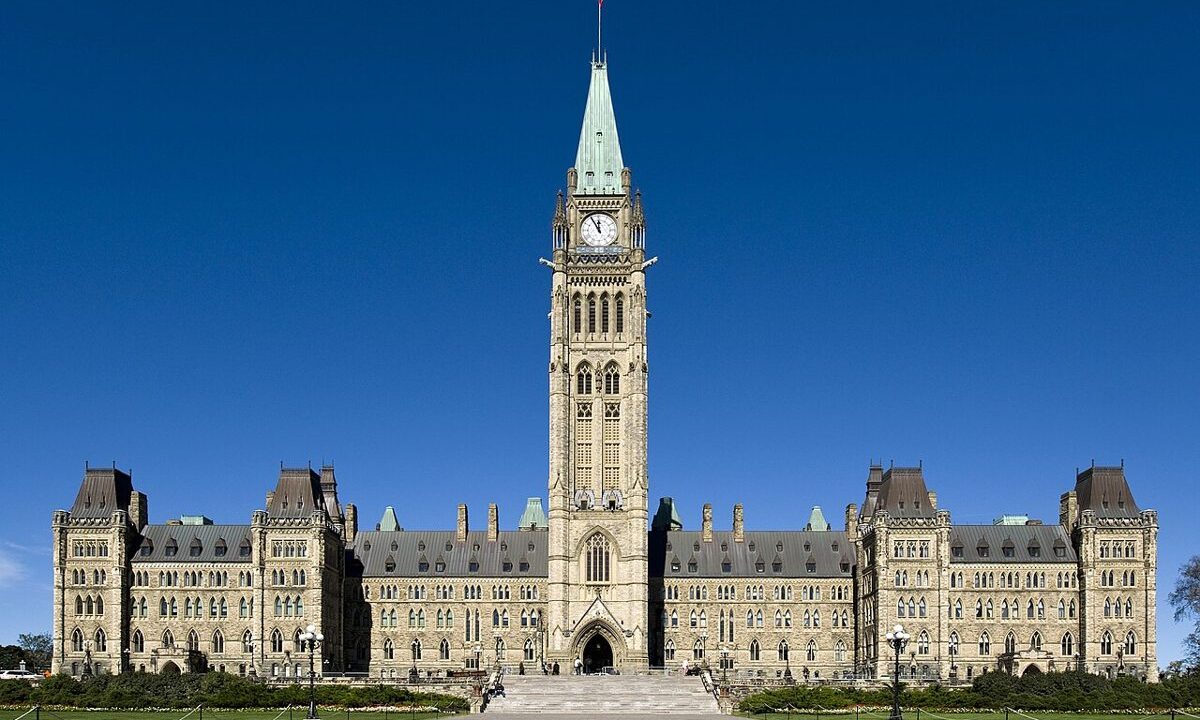
For workers in Canadian steel and auto plants, the Montreal summit is not about diplomatic language. It is about whether a closer partnership with Europe can ease the pressure that American tariffs have put on their jobs, and whether Canada’s defence industry can win real work through European initiatives such as SAFE. Carney has carried both questions into the summit, and the factory floor will be watching for answers that go beyond the declaration.
The tariff picture is stark. Ottawa has said Washington is coming closer to its position on steel and auto tariffs, but selected Canadian goods still face American tariffs of 25 to 50 percent, and job losses already visible in autos and parts are driven by that friction, not by any unsigned European deal. A European partnership cannot remove American tariffs, and any summit coverage that suggests otherwise would mislead readers. What it can do is open a second market, a second source of investment and a second set of industrial partnerships, so that a Canadian firm is less exposed to a single customer’s politics.
SAFE and the defence door
That is where SAFE matters. The EU’s defence initiative is designed to let European countries buy and build defence equipment together, and Canada’s participation would give Canadian defence firms a route into that work. For communities that depend on manufacturing, the difference between a summit declaration that mentions defence cooperation and a framework that lets firms bid, build and hire is the whole story. The summit is expected to deepen defence and secure communications cooperation, but the contracts, the timelines and the eligibility rules will be settled in the year of talks that follows, not in Montreal itself.
Steel and autos face a similar test. A digital trade agreement and a framework for European Investment Bank financing of critical minerals projects could help Canadian suppliers reach European buyers and secure capital for new plants, but only if the agreements are specific enough for a purchasing manager to use. Vague commitments do not fill order books. Specific rules on standards, procurement and financing do, and those details are what business groups will be reading for after the leaders leave Montreal.
What to watch after the handshakes
The honest measure of Montreal will therefore arrive in the months after the summit: whether Canadian steel and auto firms report new European orders, whether defence firms enter European supply chains, and whether critical minerals projects secure European financing. Big News Canada’s account of Carney’s Ottawa meetings showed a prime minister trying to hold several national files at once. Reports of the summit plans confirm that Montreal launches negotiations rather than concluding them. Workers should welcome the ambition, and then judge it by the orders that follow.