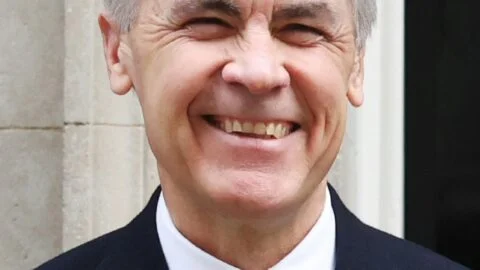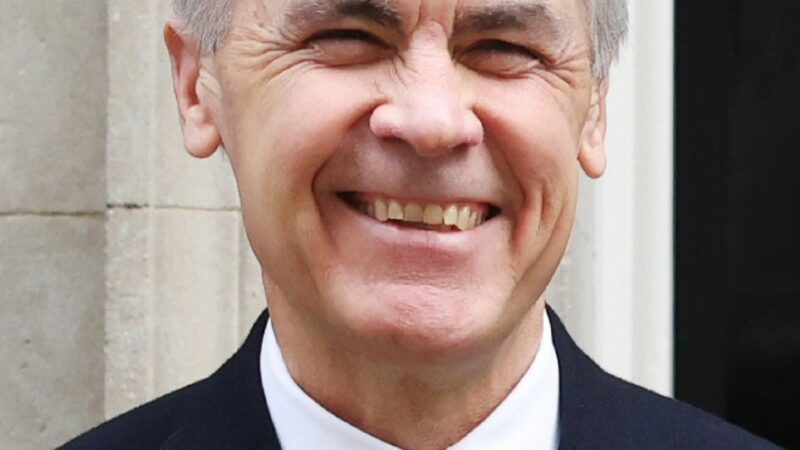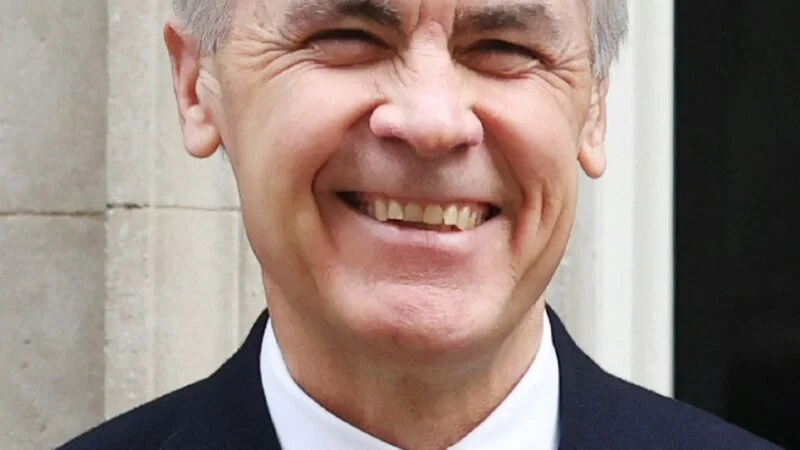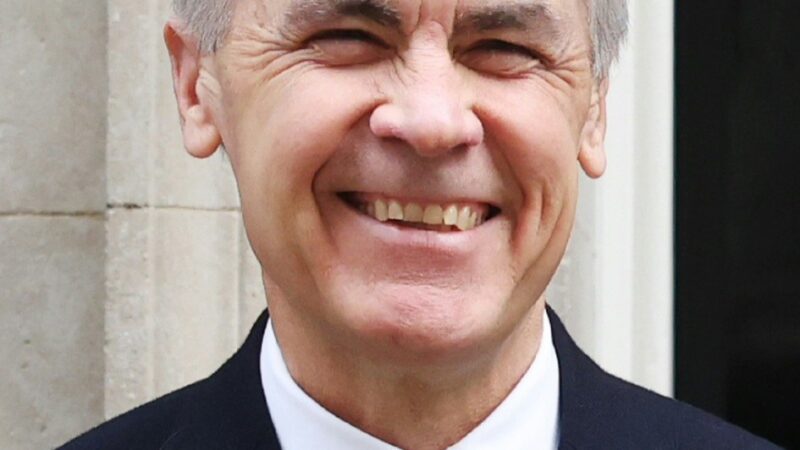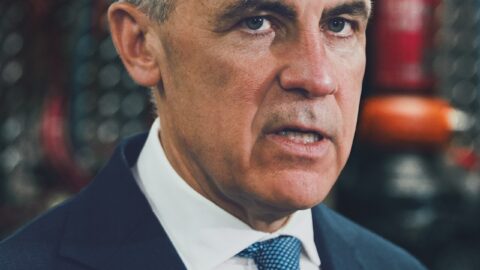
Prime Minister Mark Carney confirmed that Canada and Turkiye will begin free trade negotiations on November 30, turning a diplomatic reset into a dated negotiating process. The announcement followed Carney’s first bilateral visit to Turkiye by a Canadian prime minister, during which Ottawa and Ankara upgraded their ties to a strategic partnership supported by a three year action plan.
The November 30 date is the beginning of negotiations, not the signing of a trade deal. Canada and Turkiye announced their intention to pursue a free trade agreement in July 2026, when Carney met Turkish President Recep Tayyip Erdogan around the NATO summit in Ankara. Ottawa held public consultations from July 31 through September 14 and formally notified Parliament on September 21 of its intention to begin negotiations. The action plan covers trade and investment, defence and security, energy, and people to people links.
Going our own way
Carney used the visit to state Canada’s position on the United States in blunt terms. He rejected United States claims of Canadian meddling in American midterm elections, and he said Canada would not wait for another American administration before pursuing its own trade diversification. He said: “We will never be the 51st state. We are going our own way.” The visit is part of a wider push to reduce Canada’s heavy reliance on the United States economy, a theme that has run through Carney’s foreign policy since the tariff dispute deepened.
Energy is a central part of the new partnership. Turkiye is seeking partners for additional nuclear power plants while Russia’s Rosatom builds its first station at Akkuyu on the Mediterranean coast, and Carney has spoken of growing chances for a Canadian role in Turkiye’s nuclear plans. Hashtag Investing reported that the November negotiations will test whether the diplomatic reset can now be converted into measurable commercial gains.
Engagement is not approval
Carney also faced questions about Turkiye’s human rights record, including its treatment of LGBTQ groups. He said engagement is not approval, and that the degree of engagement can depend on the other country’s values. He said Canada raised human rights concerns during bilateral meetings, and his office said Foreign Affairs Minister Anita Anand raised human rights in meetings with her counterpart, though Carney would not say whether he raised the issue directly with Erdogan.
For Canadian businesses, the value of the visit will be measured in November, when negotiators sit down to work through tariffs, product standards, services, investment and rules of origin. For Canadian voters, the message was simpler: diversification is no longer a slogan, it has a calendar date, a partner, and a prime minister willing to say publicly that Canada is going its own way.