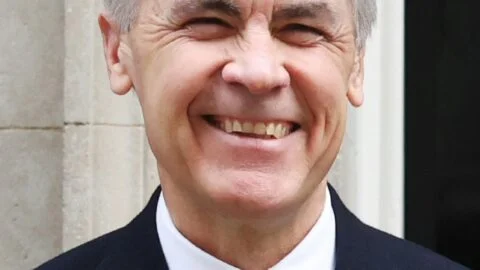

For Ontario’s steel towns and auto workers, the 8.7 billion dollar plan announced by Prime Minister Mark Carney and Premier Doug Ford on October 21 is not an abstract trade policy. It is a promise that two governments will share the cost of keeping mills running, plants staffed, and supply chains moving while United States tariffs squeeze the province’s industrial base.
The steel fund is the centrepiece for communities like Hamilton and Sault Ste. Marie. Worth 5.22 billion dollars over five years, it will see Ottawa provide 3.55 billion dollars and Ontario provide 1.67 billion dollars, helping producers find new markets, sell overseas, and supply Canadian projects. Governments also plan to give Canadian steel priority in public purchasing and to enforce rules more strongly against unfairly traded imports, steps that matter most to workers whose shifts depend on the next order book.
Auto plants and northern roads
The auto piece, worth 2.5 billion dollars over two years, splits as up to 1.5 billion dollars from Ottawa and up to 1 billion dollars from Ontario for large automotive projects. For assembly towns, the question is whether that money turns into model allocations and supplier contracts, not just announcements. For northern Ontario, the Ring of Fire roads pledge, up to 1 billion dollars from Ottawa to match Ontario’s investment, is about whether critical mineral development can proceed with the infrastructure it needs.
Carney said the combined measures could help protect as many as 290,000 jobs, a figure that covers the wider supply chain, not just plant floors. Ford presented the agreement as support for workers and future employment, a framing that reflects the political stakes in Ontario, where steel and auto jobs are also community jobs, supporting shops, schools, and services in towns built around a mill or a plant.
The tariff clock and the local test
The backdrop is the tariff threat itself. The United States has imposed tariffs on some vehicles and auto parts and has threatened to raise tariffs on cars, trucks, parts and steel to 50 percent on January 1. That deadline gives the plan a test date: by the new year, Ontario producers need orders, not just funds, and workers need shifts, not just pledges.
The Ring of Fire roads also carry a local debate that will not be settled by funding alone. Some nearby First Nations oppose the road plan, and consultation and environmental questions remain part of the discussion. Harava News reported the package details, and the provincial test will be whether the money reaches firms quickly, whether Canadian steel wins more public contracts, and whether auto investment follows. In Ontario, that is how a tariff plan will be judged: town by town, shift by shift.