

0 views
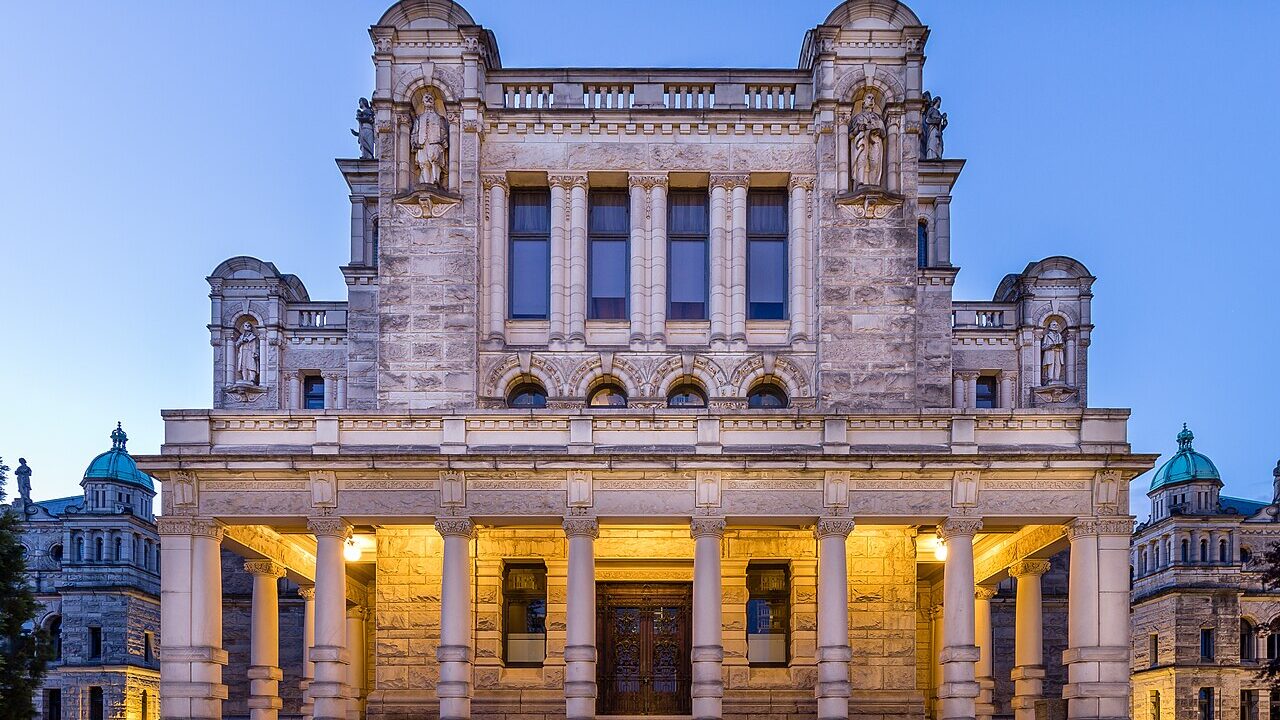
VICTORIA — British Columbia’s provincial election campaign is moving toward its decisive stretch, with voters set to cast ballots on October 24 and party leaders preparing for debates in the coming days.
Premier David Eby called the snap election on September 22 after asking the lieutenant-governor to dissolve the legislature, two years into his mandate. He framed the vote around the trade conflict with the United States, saying the province needed a fresh mandate at a moment when outside economic pressure is hitting workers and businesses.
The campaign calendar is unusually compressed. Candidate nominations closed on October 3, advanced voting is scheduled for October 16–21, and municipal elections across B.C. fall on October 17 — a layering of campaigns that municipal leaders had urged the province to avoid. Leaders’ debates are scheduled for October 13 and 14, the first hosted by a Vancouver business board and the second by a consortium of broadcasters.
The legislature arithmetic explains some of the intrigue. Before dissolution, the governing New Democrats held 47 of 93 seats. The opposition landscape shifted repeatedly through the summer, with a series of caucus departures, the formation of a new party, a leadership resignation on the Conservative side and several members returning to the fold around the election call itself.
That churn matters because it shapes what voters are being offered: an incumbent government running on its record and on trade defence, a rebuilt conservative opposition testing whether its coalition holds province-wide, and smaller parties arguing that a volatile legislature needs a different balance.
In the days before the call, the government rolled out measures with direct bearing on the campaign — hospital expansion plans, an LNG project approval, an order that the next ferries be built in British Columbia and a pause on a planned sales-tax expansion. Opposition parties read those moves as a government clearing the decks; the government reads them as governing.
With ballots set for October 24 and the final count expected in early November, the next two weeks will decide whether the summer’s caucus drama was a footnote — or the shape of the province’s next legislature.