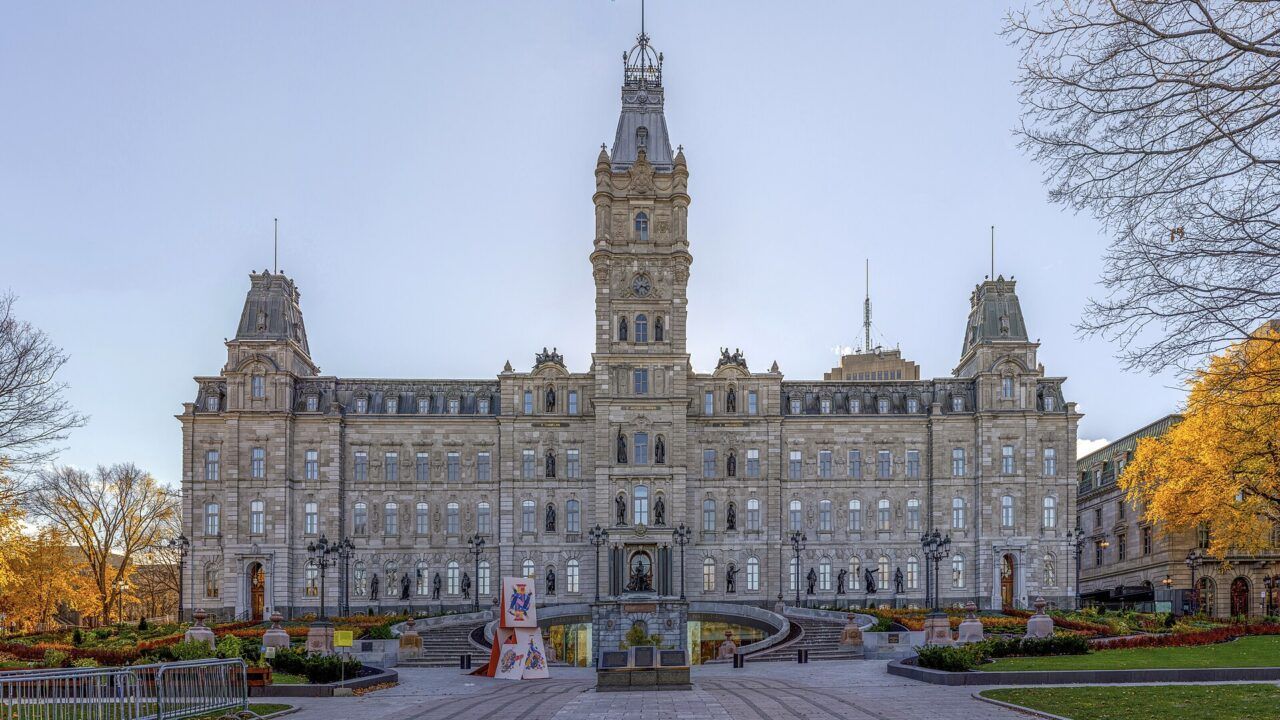
Quebec voters have handed the Parti Québécois a minority government, electing 59 members to the National Assembly — five short of the 63 needed for a majority — in a provincial election Monday that wiped out the governing Coalition Avenir Québec and redrew the province's political map.
The PQ took about 28 percent of the popular vote, enough under Quebec's electoral system to finish first in seats while falling short of full control. Party leader Paul St-Pierre Plamondon becomes premier-designate and must now govern with the support, or at least the tolerance, of opposition parties. The Liberals form the official opposition with 40 seats, the Conservatives won 19 and Québec solidaire took nine. Turnout was 66.9 percent.
The result is a collapse for the CAQ, which won a commanding majority in 2022 and now leaves the assembly without a single seat. Analysts describe it as one of the fastest falls from power in modern Quebec history, driven by voter fatigue, cost-of-living anger and the governing party's struggles to define itself beyond its founder's personal brand.
For the PQ, the victory carries an asterisk that will shape everything that follows. St-Pierre Plamondon campaigned on holding a referendum on Quebec independence during a first mandate, but the commitment is now time-boxed and complicated: the party has promised a vote in its first term while indicating it would not come before January 20, 2029. With a minority of seats and barely more than a quarter of the vote, the new government must decide whether sovereignty remains the headline act or a promise deferred while it governs on bread-and-butter issues.
Minority math will dominate the legislature's first months. The Liberals, with 40 seats, are the obvious negotiating partner on economic legislation but are federalist to the core and hostile to any referendum timetable. The Conservatives and Québec solidaire hold the balance on individual bills, giving small parties unusual leverage over budgets and confidence votes.
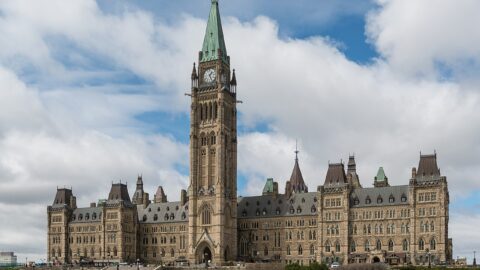
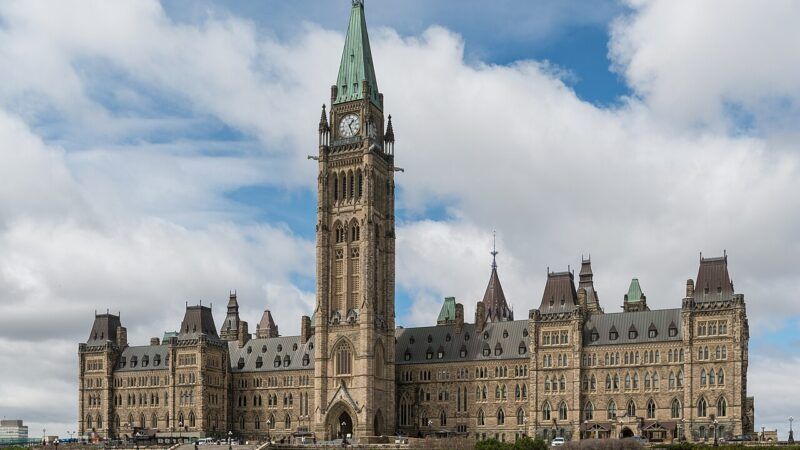
The federal government in Ottawa will watch carefully. A PQ government in Quebec City guarantees that the national unity question — dormant as a governing file for years — returns to the centre of Canadian politics, even if a referendum is years away and the new premier's first priority is proving his party can run the province.
St-Pierre Plamondon's immediate tasks are forming a cabinet, presenting an economic statement and passing a budget with borrowed votes. His party last governed Quebec more than a decade ago, and many of its new members have never held power. How he sequences the sovereignty promise against the cost-of-living agenda will define whether this minority is a bridge to a majority — or a brief interruption between other parties' governments.
For voters, Monday's message was less about independence than about change: the CAQ era is over, and Quebec has chosen a minority experiment whose first test is simply learning to govern.
The CAQ's erasure deserves its own footnote in the history of first-past-the-post. A party can lose every seat while retaining meaningful vote share spread too evenly to convert — but a governing party that commanded the province four years ago does not evaporate without a story. That story includes an unpopular third term's worth of decisions, a sovereignty debate that siphoned its nationalist voters to the PQ and its federalist ones to the Liberals, and a leader-centric brand that left no second act. Its successors contesting the remains will be sorting the wreckage for months.
Ottawa's federal parties, meanwhile, are recalculating their Quebec maps around a PQ government. The Bloc Québécois can be expected to synchronise its parliamentary strategy with Quebec City's; the federal Liberals must negotiate with a premier whose raison d'être is their country's dissolution, on files from health funding to immigration levels where Quebec demands asymmetric arrangements as a matter of doctrine.
St-Pierre Plamondon will be sworn in with the smallest mandate, in raw votes, of any Quebec premier in memory — and with the largest question in Canadian politics attached to his agenda. The minority arithmetic that constrains him may be the federation's best protection, or merely its postponement.