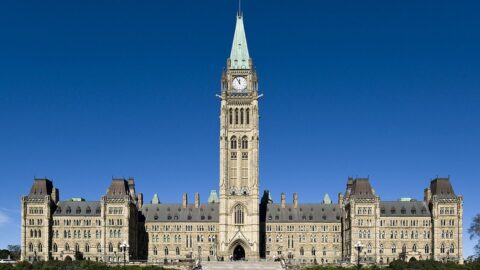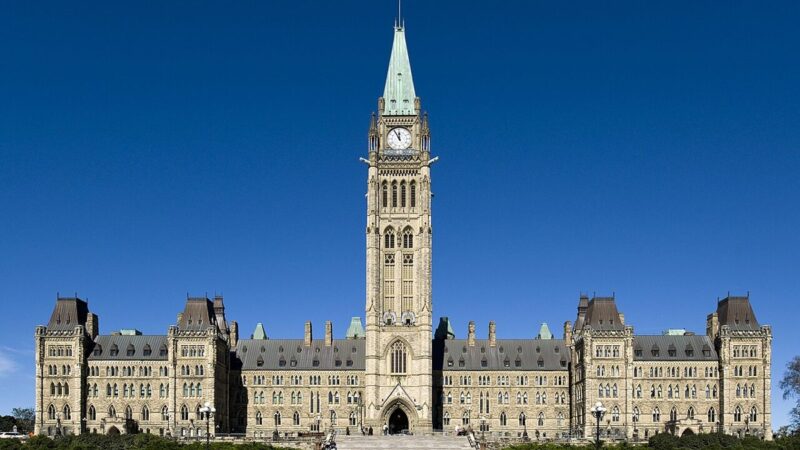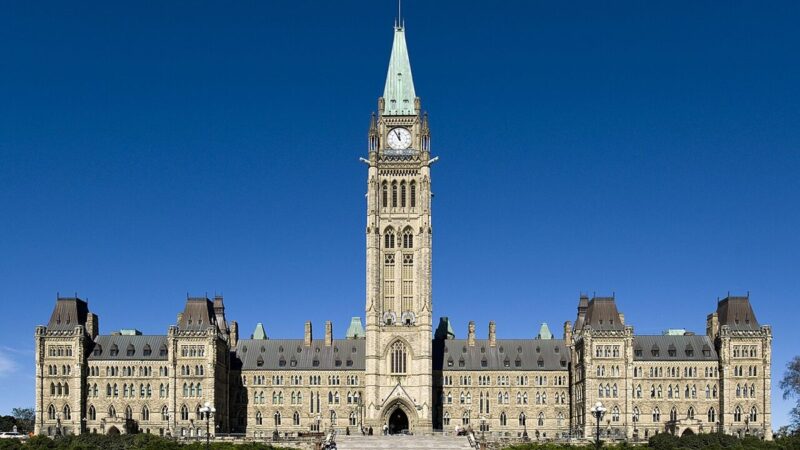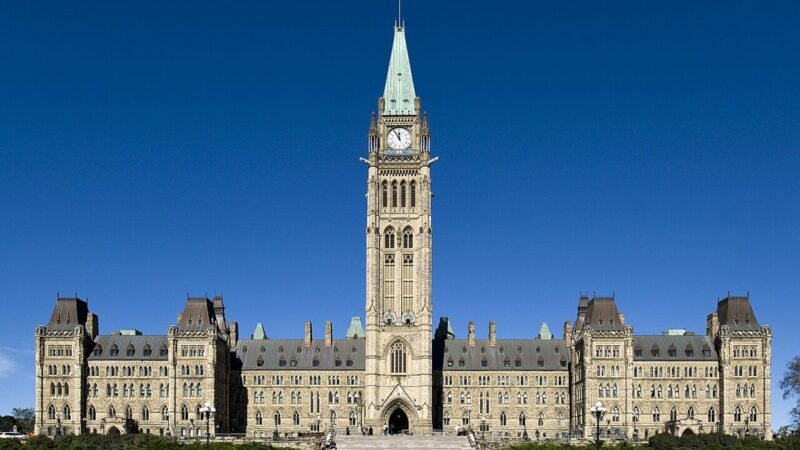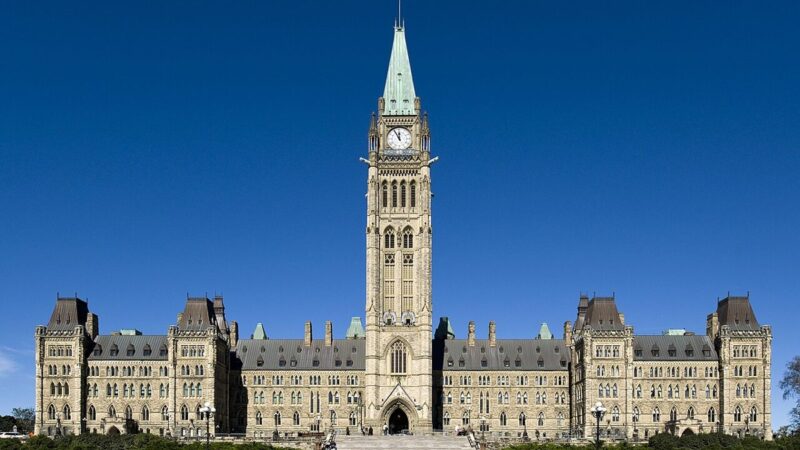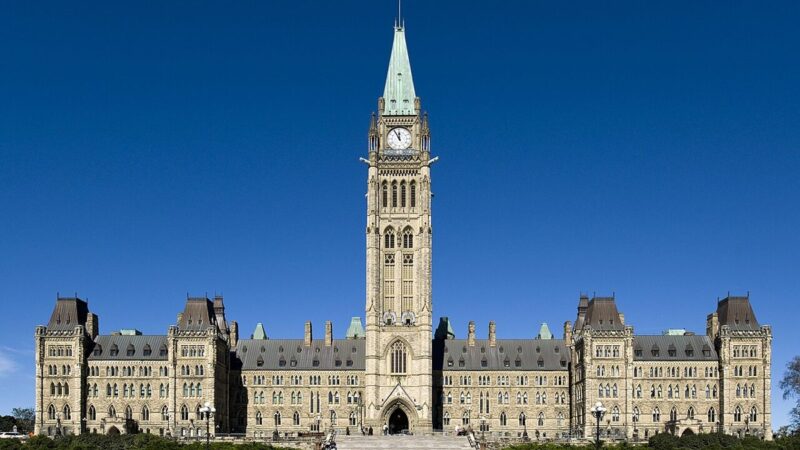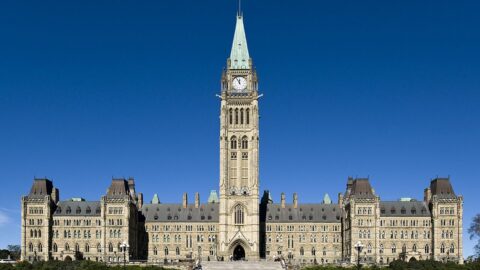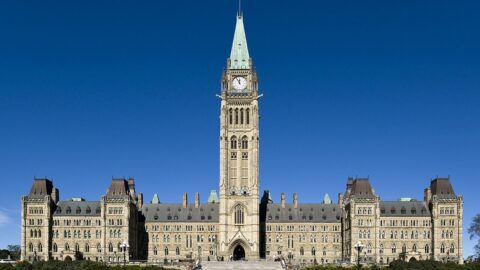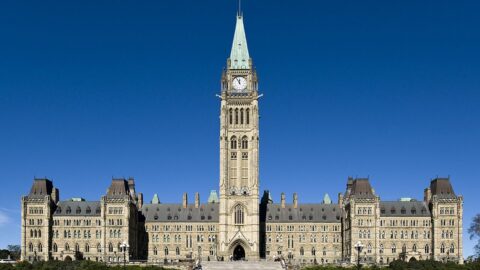

When the Canada EU joint declaration is published on Friday, the political work in Montreal will end and the parliamentary work in Ottawa will begin. Prime Minister Mark Carney has said that any enhanced partnership arising from the summit would require approval by the Canadian parliament, a statement that places the House of Commons at the centre of whatever follows. The declaration commits Canada and the EU to ever closer association, with work to define the relationship continuing until another summit next year, and it is parliament that will decide whether that work becomes law, funding and treaty.
The declaration’s contents give parliament plenty to examine. It proposes a joint initiative on subsea cable infrastructure between Europe, Canada and Asia, a feasibility study on Canadian liquefied natural gas exports to Europe, youth mobility arrangements, and cooperation on trade, digital policy, critical minerals, defence and research. It also records regret at United States sanctions on the Netherlands based International Criminal Court, a passage that will be read closely in Ottawa given Canada’s relationship with Washington. Each item is a policy area in its own right, and each will need its own parliamentary scrutiny.
The label parliament did not get
Parliament will also note what the declaration does not contain. The associate membership proposal, floated by European Commission President Ursula von der Leyen six weeks ago, was dropped after EU member states, led by Germany, argued that the concept had no legal status. A previous draft had included at least two references to Canada as an associate member, including an acknowledgment that defining the term would take another year. The final text speaks instead of ever closer association, short of full membership itself. For parliamentarians, that change is significant: it means the summit produced a work programme, not a status, and the status question remains open for the 2027 summit.
That distinction matters for the politics of approval. A work programme can be debated item by item, with each agreement judged on its merits. A new membership category would have required a single, much larger debate about Canada’s place in the world. By dropping the label, the summit has given parliament a manageable task rather than a constitutional one, and it has given the government a year to build support for each element before the next summit tests the whole package.
What to watch in Ottawa
The first parliamentary test will be the tone of the debate. Opposition parties will ask what Canada conceded to secure the declaration, what the supercomputer access and mineral agreements actually guarantee, and how the government intends to fund its commitments. The government will point to the concrete items: access to 12 European supercomputers, a 1.6 billion dollar investment in Cohere, rising critical mineral exports, and a digital trade agenda. The financial services opportunities flagged at the summit show the economic stakes for Canadian institutions, from pension funds to asset managers.
Montreal was the launch of a negotiation, not its conclusion. Carney said as much on Tuesday, and the declaration’s own timetable confirms it. Parliament’s role now is to hold the government to the substance behind the slogan, item by item, until the 2027 summit shows whether ever closer association became something Canadians can actually use.