

0 views
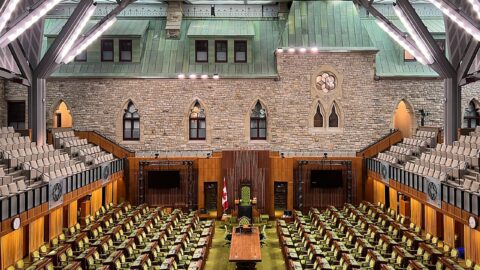
OTTAWA — The federal government’s Building Canada Strong Act has cleared second reading in the House of Commons and heads to committee, where the real fight over its project-approval and labour provisions is expected.
Members of Parliament approved Bill C-39 in principle on Thursday, October 8, by a vote of 296 to 26. Liberals and Conservatives voted together in favour, while the Bloc Québécois, New Democrats and Greens voted against, according to reports of the vote. Second reading approves a bill’s direction and sends it for detailed study; it is not passage into law.
The legislation, tabled on September 21, is built mainly to speed up approvals for major projects. It also rewrites the rules governing when Ottawa may intervene to end a strike or lockout in federally regulated sectors — the power, found in Section 107 of the Canada Labour Code, that has been used in recent years at ports, railways and the postal service.
Under the bill, the minister could appoint a special mediator up to 75 days into conciliation, with 21 days to help the parties settle. Once a legal strike or lockout began, intervention — directing the labour board to order a return to work, extend an agreement or impose binding arbitration — would require considering the mediator’s report and concluding that the national interest is affected.
Supporters describe that structure as making intervention a measure of last resort, with greater transparency. Labour, Indigenous and environmental organizations campaigning against the bill argue the opposite case, saying faster project timelines and revised labour rules threaten rights and protections. First Nations organizations issued a joint statement on October 8 rejecting the bill and calling for its withdrawal.
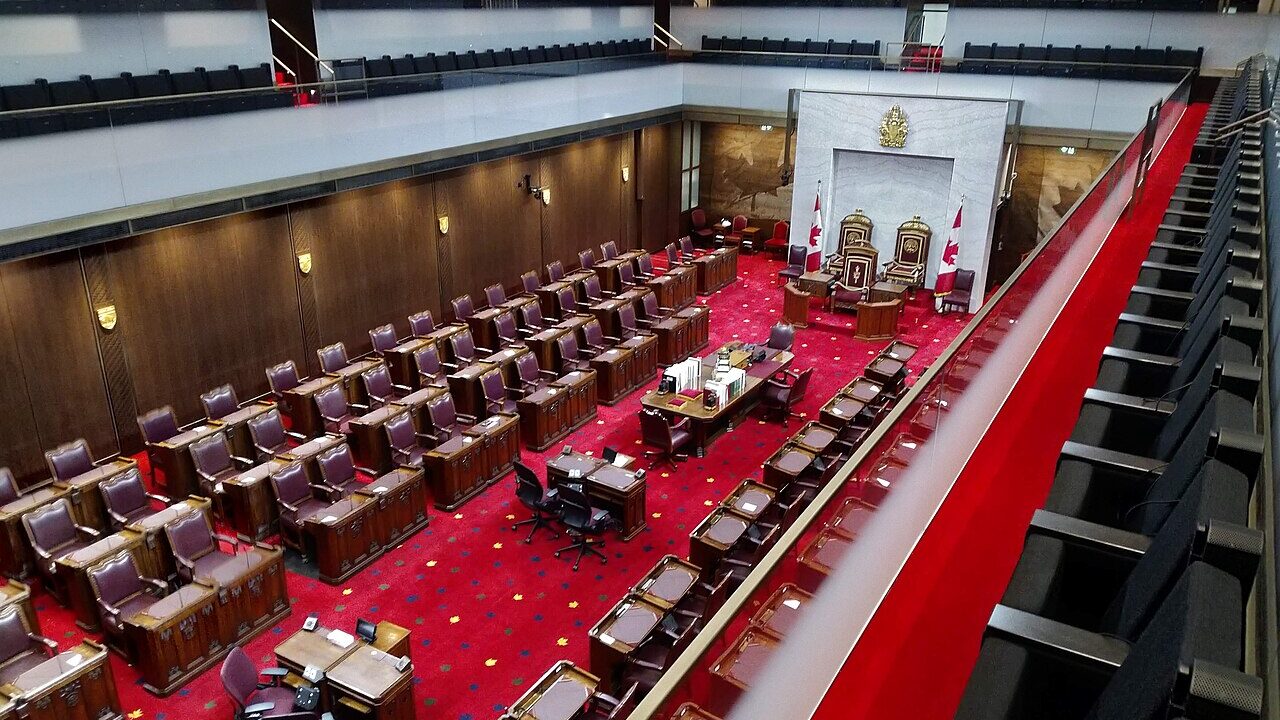
The Senate has prepared its own advance study of the bill’s subject matter, with ministers expected to appear — a sign both chambers expect a long committee season.
Conservative support was not needed for the vote to pass, and the party signalled it backed referral in order to amend the bill at committee. What emerges from that stage will determine whether Bill C-39 is remembered as a project law, a labour law — or the rare bill that tried to be both at once.