A hybrid-electric aircraft engine developed by Astro Mechanica, a startup founded by a former SpaceX engineer, is being positioned as a drop-in successor to the turboprops that serve regional routes, with the company claiming fuel savings of about 25 per cent.
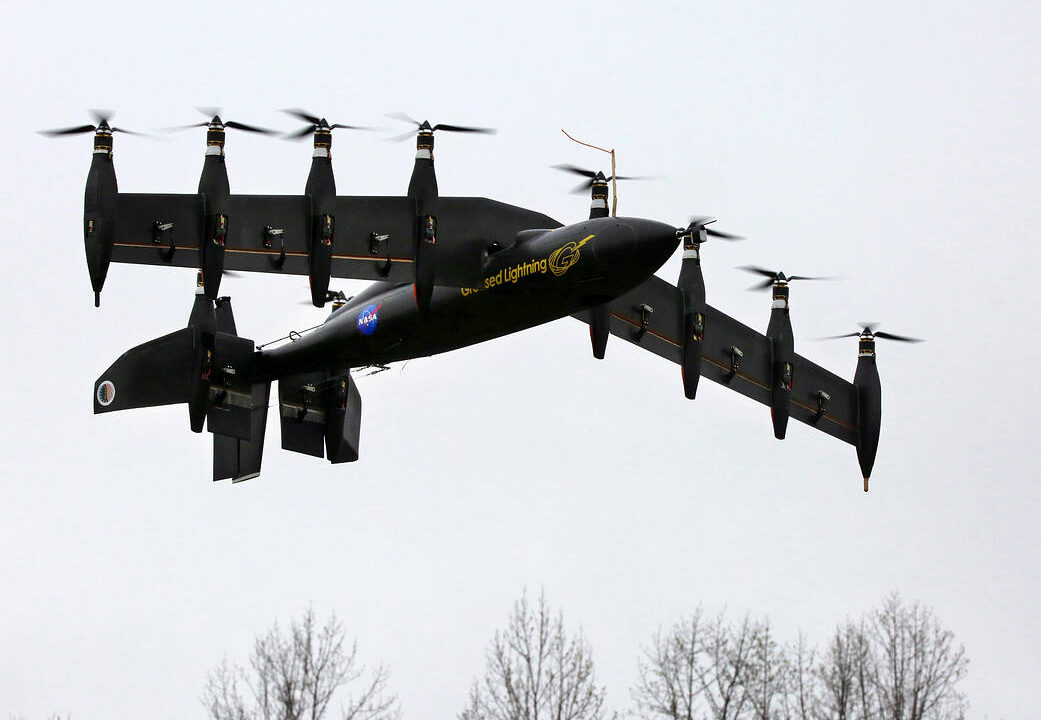
The engine pairs a gas turbine with electric motors, allowing the system to draw on battery power during the most demanding phases of flight and run the turbine closer to its most efficient point the rest of the time. According to reports of the company’s test programme, the design is aimed at aircraft in the class currently dominated by ageing turboprop types.
Regional aviation has been under pressure from both sides: fuel costs eat into thin margins on short routes, while emissions rules in several markets are tightening. Fully electric aircraft remain limited by battery weight on all but the shortest sectors, which is why hybrid designs have attracted renewed interest from manufacturers and investors.
Astro Mechanica says the retrofit path matters. Rather than asking airlines to buy an entirely new aircraft, a hybrid powerplant that can replace existing turboprops in service could reach the market within one to two years, according to the reports. That timetable, if met, would put the engine ahead of several clean-sheet electric designs still working through certification.
Engineers caution that hybrid systems bring their own complications, including thermal management, added maintenance complexity and the weight of motors and power electronics. Certification authorities are also still developing the frameworks under which hybrid-electric propulsion will be approved for passenger service.
Investors have nonetheless been willing to fund the sector, betting that regional routes of a few hundred kilometres are the most realistic early market for electrified flight. Astro Mechanica’s progress will be watched closely by operators who need to replace turboprop fleets but cannot yet make the economics of full electrification work.