
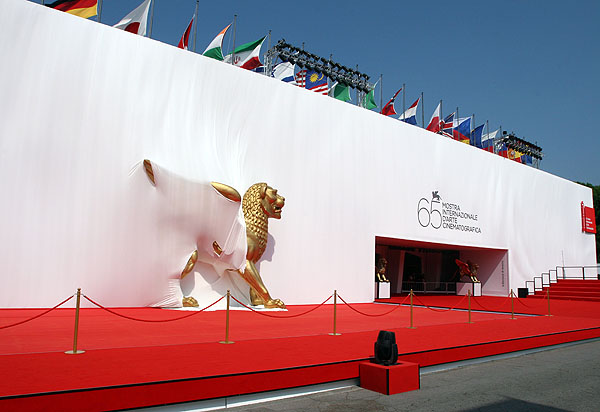
The 70th BFI London Film Festival is under way, running from October 7 to 18, 2026, with a programme the festival reports spans 251 films from 88 countries.
The festival opened with the European premiere of Elsinore, directed by Simon Stone and starring Andrew Scott and Olivia Colman. It will close on October 18 with the UK premiere of The Debut, directed by Jesse Eisenberg.
London’s festival occupies a particular spot in the calendar. It arrives after Venice, Telluride and Toronto, which means many of its biggest titles come with early reviews and awards chatter already attached. For distributors, it is a chance to test that buzz with British audiences and critics.
For Canadian readers, the London programme is worth watching because of the overlap with the Toronto International Film Festival, which wrapped last month. Films that played Toronto often resurface in London, and the comparison of reactions can hint at which titles will travel well when they reach Canadian cinemas and streaming platforms later this year.
Festival organisers have long argued that scale is a strength, and the reported figures, 251 films from 88 countries, would make this one of the broadest editions in the event’s 70-year history. As with all such figures, they are the festival’s own count and include features, shorts and special presentations.
Beyond the galas, London remains a working festival: industry screenings, talks and a strong strand of British independent film give smaller productions a route to distribution. Several of those deals announced over the next ten days will decide what Canadian audiences get to see in 2027.
The festival runs through October 18, with public tickets and online screenings available across the programme.
To understand why a programme of this size matters, it helps to know how a major festival is put together. London, like its peers, is built in layers. At the top are the galas and special presentations, the titles most likely to draw red-carpet coverage and early awards attention. Below them sit the curated strands devoted to new voices, documentary, experimental work and restored classics. Each layer does a different job: the galas generate headlines, while the strands are where programmers can take risks and where critics often find the films they will be championing months later.
The language of premieres also shapes how a festival is read. A world premiere means the first public screening anywhere, a status festivals compete hard to secure because it guarantees press attention. An international, European or UK premiere signals that a film has already begun its journey elsewhere but is still new to that audience. Where a title sits in that hierarchy tells distributors and journalists something about the strategy behind it — whether the aim is a splashy debut, a carefully staged rollout, or a second wave of reviews in a new market.
Timing explains much of London’s role. Arriving after Venice, Telluride and Toronto, it rarely gets first pick of the season’s most anticipated titles. What it gets instead is perspective. By October, early verdicts exist, some films have momentum and others need reframing. London becomes a place to test whether festival buzz survives contact with a broader public and with British critics who may respond differently to the same film. That music-film strand is a reminder of how often London platforms British stories for a global audience, a pattern also visible in the casting of Farhan Akhtar as Ravi Shankar in Sam Mendes’ four Beatles films, where a distinctly British subject is being assembled as an international production.
For Canada, that second look has practical consequences. Canadian distributors buying for theatrical and streaming release watch London closely, partly because rights for Canada are frequently negotiated in the same conversations as UK rights, and partly because audience reaction in London can be a useful proxy for urban Canadian markets. A film that plays well to London’s mix of critics, industry and public audiences has often already played Toronto, which gives buyers two data points rather than one before they commit to marketing spend.
There is also a working, less glamorous side that ultimately decides what reaches Canadian screens. Industry screenings, sales meetings and rights negotiations run alongside the public programme. Many of the distribution deals that shape a Canadian winter release slate are not announced with fanfare; they emerge quietly from those rooms. Smaller British independent films in particular depend on this machinery, because without a sales agent securing international territories at a festival, even a well-reviewed title can struggle to travel.
What to watch over the remaining days is therefore not only which films win the warmest receptions, but which ones convert attention into distribution. Reviews matter, audience awards and word of mouth matter, but the lasting measure of any edition is the list of titles that leave London with a release plan attached. By the time the festival closes on October 18, that list will offer a clearer map of what Canadian cinemas and platforms are likely to be showing well into 2027.
Related reading: Interstellar Re-Release Sells Two Lakh Tickets as Bollywood Looks Westward