

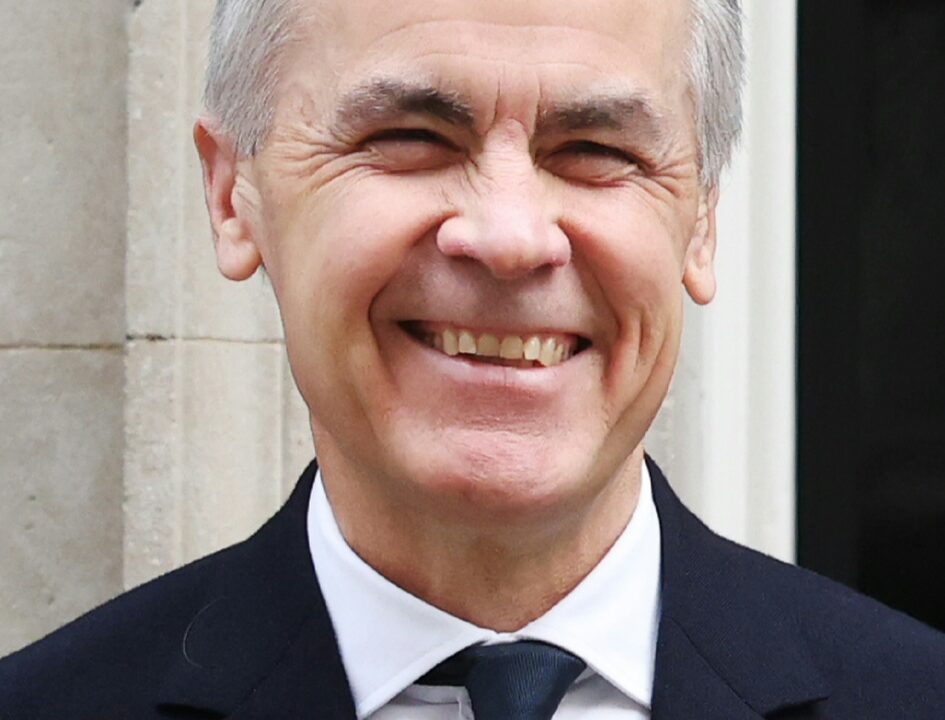
Prime Minister Mark Carney held a telephone conversation with Indian Prime Minister Narendra Modi on Tuesday, with both leaders agreeing to build on the recent thaw in bilateral relations and push toward an early conclusion of a comprehensive trade agreement, according to official statements from both governments.
In a post on X, Modi described the exchange as warm and productive, saying the two agreed to pursue concrete outcomes across trade, energy, technology, security and people-to-people ties, and that both countries were contributing to “a more stable and prosperous world.” A Canadian readout said the leaders welcomed the increased engagement over the past year across finance, defence, artificial intelligence and people-to-people ties.
The readout added that the leaders reaffirmed their commitment to concluding negotiations on a Comprehensive Economic Partnership Agreement at the earliest opportunity, in support of a goal to double two-way trade by 2030. They also discussed Indo-Pacific instability, the need for trusted partners in energy and agriculture, and Carney thanked Modi for his leadership on a peaceful resolution to the Ukraine war. LiveMint reported on the call; some outlets expect Modi to visit Canada in December, with the pact set to feature.
Jaishankar and Anand take stock in New Delhi
The call came as Anita Anand was already heading to New Delhi for ministerial talks, as reported earlier on this site. After their meeting on Wednesday, Jaishankar said the two reviewed progress across trade and investment, education, energy, defence and people-to-people exchanges, and that India and Canada were advancing their strategic partnership — the 11th meeting between the two foreign ministers since September 2025.
Anand said she was encouraged by the progress in trade negotiations and cooperation on energy, innovation and security, and stressed that closer engagement between Canada and India offered an opportunity to shape future prosperity and contribute to a free, open and prosperous Indo-Pacific at a time when the international order is undergoing profound change. She is visiting India from October 13 to 16 before heading to the United Arab Emirates.
What the thaw means for Canada
The exchange follows directly on the heels of the largest Canadian trade delegation to India in three decades, which arrived in New Delhi this week with nearly 300 business representatives. For Canadian exporters — in agriculture, energy, critical minerals and clean technology — an agreement would be Ottawa’s most significant diversification play in years.
The pace is remarkable: five rounds have already been held in Ottawa this year, with both sides reportedly targeting a year-end finish. Whether the timeline holds depends on bridging gaps in agricultural market access — but the India file, frozen for much of the decade, is moving again, and Ottawa wants results before Modi’s December visit.
Related reading
Sources: LiveMint · IANS · Nation Press