
Channel 4 reported to Ofcom over ‘ADHD myth’ documentary as charity fumes: ‘One-sided!’

ADHD UK has lodged a formal complaint with Ofcom over Channel 4’s documentary “The Great ADHD Myth?”, which was broadcast on Tuesday evening and is urging viewers to follow suit.
The charity condemned the programme, presented by NHS psychiatrist Max Pemberton, for describing ADHD as a “social construct” and platforming medical professionals who question whether the condition is a legitimate diagnosis.
“ADHD is not a myth. It is not a social construct,” the organisation declared in a statement released on Tuesday.
“Their experiment disproved their conclusion. They aired their version anyway. We have already complained to Ofcom.”

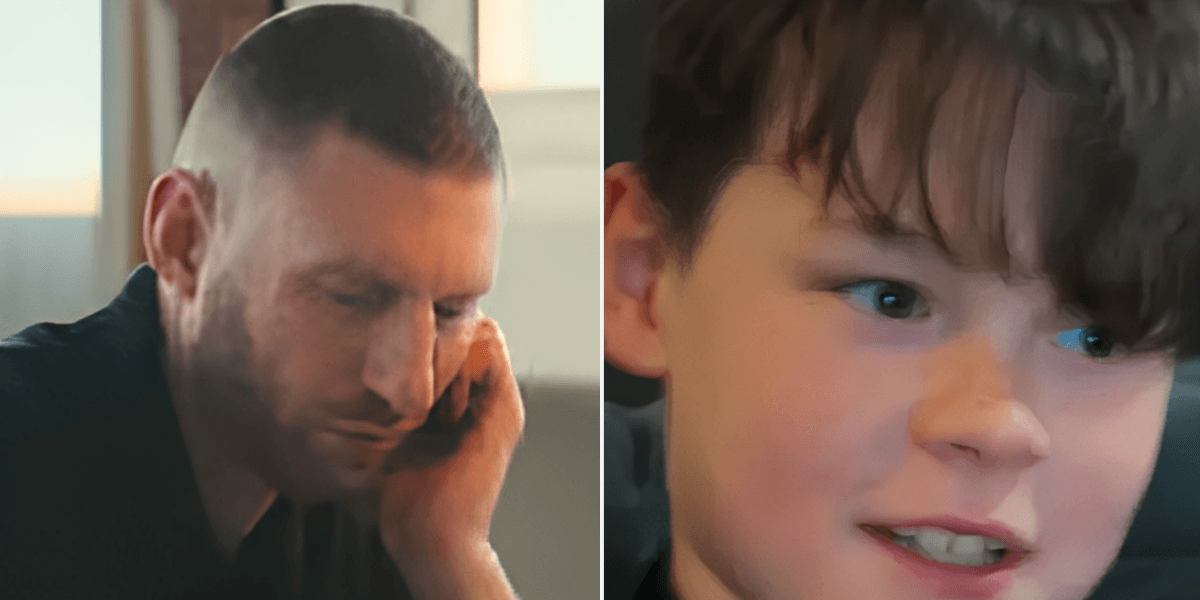
The Great ADHD Myth? was presented by NHS psychiatrist Max Pemberton
|
CHANNEL 4
The charity’s chief executive, Henry Shelford, branded the hour-long film “sensationalist nonsense” and said he had written to Channel 4 demanding both corrections and a change to the programme’s title.
He described the documentary as “one-sided”.
The documentary, produced by Minnow Productions, featured Pemberton interviewing clinicians who expressed scepticism about ADHD’s validity as a medical condition, with a particular focus on diagnoses in young children.
At its centre was an experiment involving Mason, a 10-year-old boy who had been taking ADHD medication for two years.

Mr Pemberton explored whether ADHD should be considered a neurodevelopmental disorder
|
CHANNEL 4
Over a six-week period, the programme followed Mason as he was taken off his medication and instead given lifestyle interventions, including reduced sugar intake, a ban on screen time and yoga sessions.
Mason’s mother initially chose to keep him unmedicated, saying the drugs had “dulled his sparkle”.
However, the documentary’s own closing text revealed she put him back on his medication two months later after his academic performance deteriorated.
The programme also explored who stands to gain from the surge in diagnoses in recent years and questioned whether ADHD should be classified as a neuro-developmental disorder.
ADHD UK stated the programme’s own end credits exposed what the preceding hour had failed to acknowledge: that Mason went back on his medication and his schoolwork improved.
“We deserve better than this,” the charity said, adding a more detailed submission to Ofcom would follow.
Mr Shelford pointed out 80 per cent of people report a positive effect from ADHD medication.
He told The Mirror he was “so angry” about the use of a single child as evidence against treatment used by millions.
“I nearly fell off my chair at the end when the experiment hadn’t worked,” he said.
The charity also announced plans to take its findings to Parliament.
Mr Shelford contrasted the documentary unfavourably with Channel 4’s previous work on the menopause with Davina McCall and dyslexia with Jamie Oliver.
“We wouldn’t have The Menopause Myth or The Dyslexia Myth or The Migraine Myth, so why this? It shows the prejudice and the stigma around ADHD,” he said.

Mason instead tried lifestyle interventions including reduced sugar, less screen time and yoga
|
CHANNEL 4
Broadcaster India Willoughby expressed disappointment that Channel 4, a network she suggested would be the most likely to “remain sane during the culture war”, had chosen to air the programme, adding that a question mark in the title did not excuse it.
“Grim,” she wrote.
Economic justice campaigner Richard Murphy was equally scathing, arguing on his blog that Channel 4 should “hang its head in shame”.
He highlighted the absence of any psychologists who accept ADHD as a genuine condition and noted that no individuals with the disorder were featured beyond Mason.

Mason’s mother later returned him to medication after his academic performance deteriorated
|
CHANNEL 4
“The most obvious thing to say is that this was a massively arrogant and profoundly unbalanced programme, clearly intended to present a biased view on a subject where the opinion presented will cause significant harm to a very large number of people in the UK,” Mr Murphy wrote. “That, I think, was unforgivable.”
Channel 4 defended the broadcast, stating its remit includes stimulating public debate and challenging established thinking.
“Not everyone will agree with everything included in the programme and we acknowledge the strength of feeling that this subject evokes,” a spokesperson said, adding that exploring different ideas “is a legitimate part of Channel 4’s remit.”
The broadcaster also pointed to several other ADHD-related programmes it has aired, including “Do You Have ADHD?”, “Johnny Vegas: Art, ADHD & Me” and “Sam Thompson: Is This ADHD?”, which it said covered a range of alternative perspectives on the condition.
Despite the fierce criticism from charities and public figures, the documentary did attract some favourable notices.
The Guardian labelled it the “most controversial show of the year”, praising Pemberton for answering “his questions convincingly”, while The Times described much of the programme as “the start of a necessary discussion”.
GB News has reached out to Channel 4 for comment.

Comments are closed.