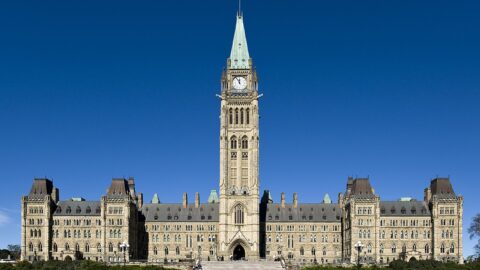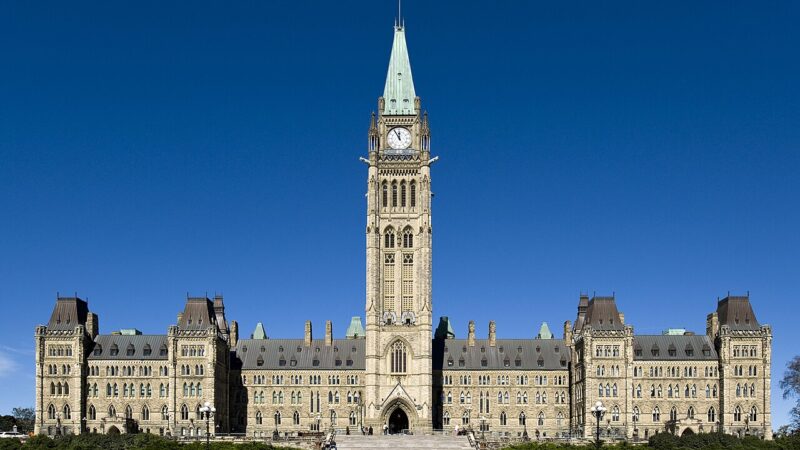
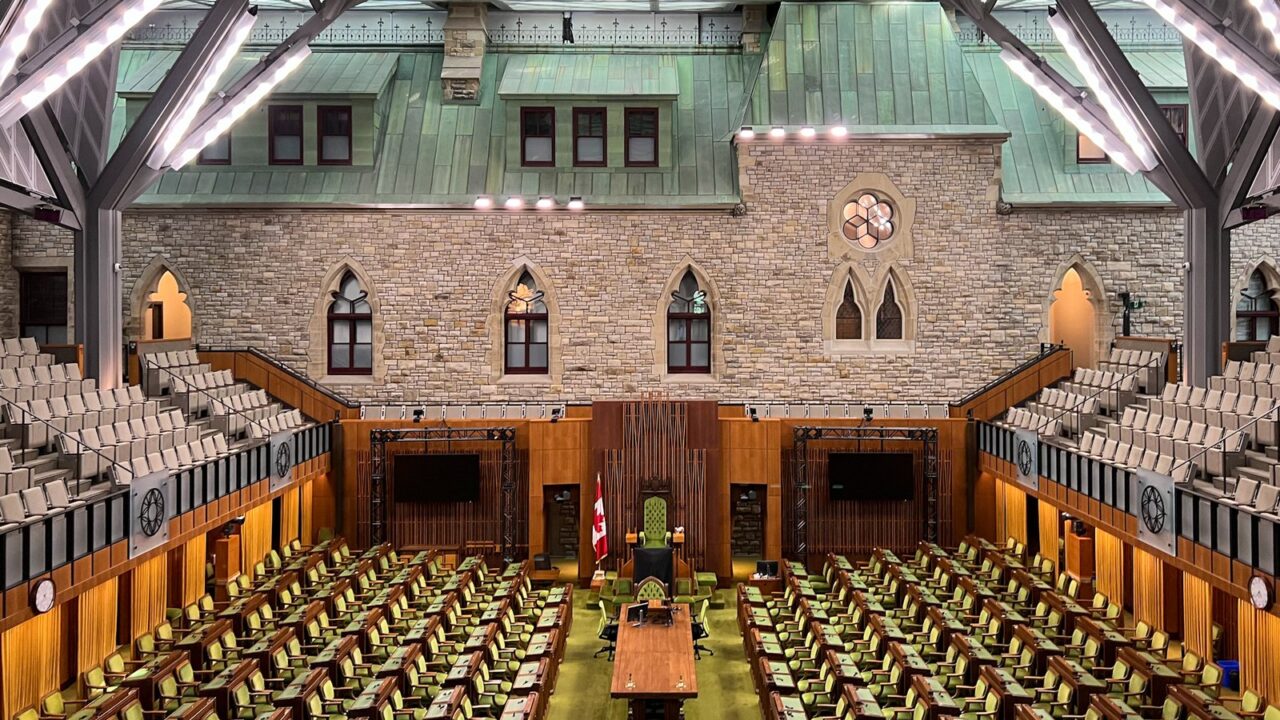
The House of Commons in Canada has defeated a Conservative motion calling on lawmakers to reject the immigration levels plan of the Liberal government, voting 175 to 154 against the proposal. The result leaves Prime Minister Mark Carney’s targets in place, and although the motion was not binding, it forced every party to take a public position on one of the most divisive issues in Canadian politics.
All 134 Conservatives and all 20 Bloc Quebecois MPs who voted backed the motion, while all 170 Liberals who voted opposed it, along with four New Democrats and Green MP Elizabeth May. No Liberal broke ranks. Conservative Leader Pierre Poilievre and Carney traded barbs during question period before the vote, in a noisy afternoon in the chamber.
What the plan sets out
The 2027 to 2029 Immigration Levels Plan, released alongside the federal budget on November 5, sets an annual target of 380,000 new permanent residents for each of the next three years, along with 370,000 temporary residents a year. The permanent target sits below the record 483,640 people admitted in 2024. A 2026 transition programme could open a pathway for 200,000 temporary workers and humanitarian applicants, with 82,000 more places for protected people and skilled workers.
The Conservative motion called on the House to reject the plan, arguing that permanent immigration should not rise to historically high levels until housing, wages, healthcare, jobs and other social services can keep pace with population growth. The vote came a day after Parliament was set to vote on the motion to reject Ottawa’s immigration plan, and it drew attention from across the country, with supporters and critics of the targets watching the count closely.
The politics behind the vote
For the Conservatives, the vote was a chance to put the government on the record at a time when housing and jobs dominate the political debate. For the Liberals, the result confirms that the plan survives its first parliamentary test, and the government argues that the targets are planned, measured and lower than the record intake of 2024. The New Democrats and the Greens, who voted with the government, have their own conditions for supporting the plan.
What happens next is implementation, not another vote on the same motion. The 380,000 annual target stands, and the transition measures for people already in Canada will move ahead in 2026. The government will now turn to the rest of its agenda, after Ottawa said defence ties with the US were unchanged despite the Hegseth memo. The immigration debate, however, is far from over, and it is certain to return when the next set of numbers is published.