
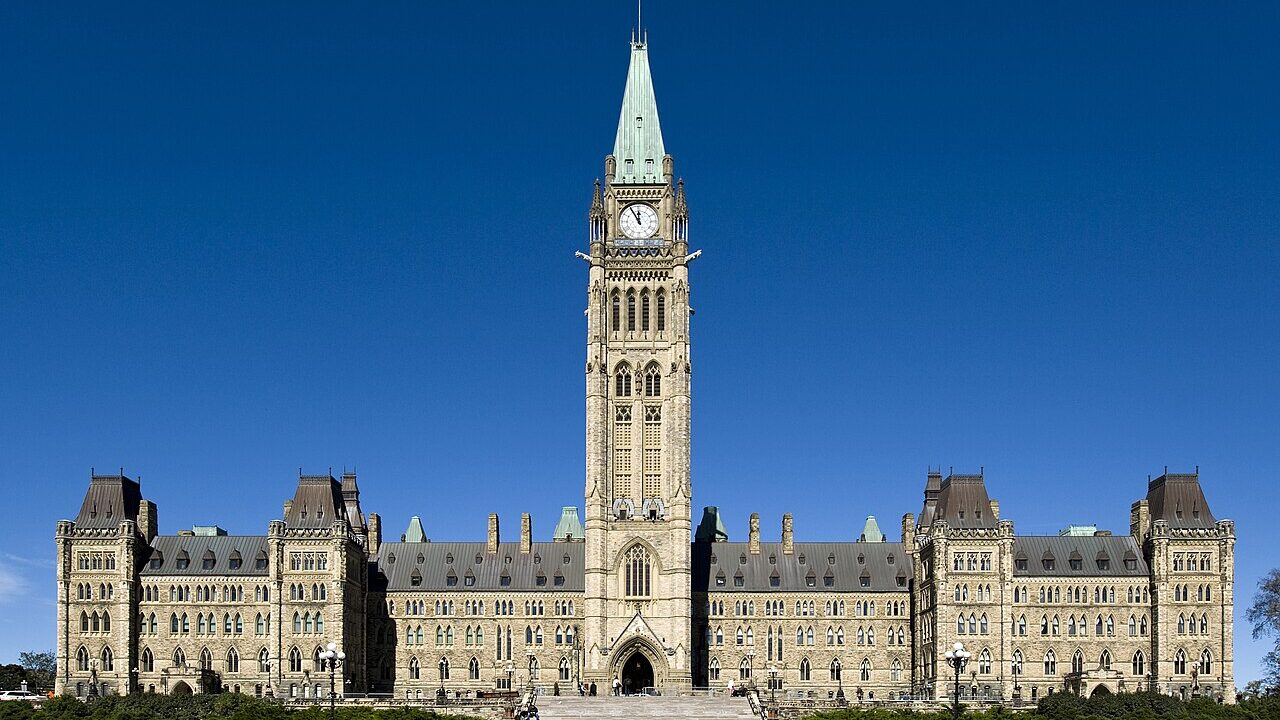
Immigration took centre stage in the House of Commons this week as Conservative MPs pushed for a vote on a motion asking Parliament to reject the Liberal government plan for permanent resident admissions in 2027. The motion, announced by Conservative Leader Pierre Poilievre on Sunday alongside immigration critic Michelle Rempel Garner, argues that housing, wages, health care, jobs and other social services must keep pace with population growth before Ottawa raises the numbers again.
The 2027 to 2029 Immigration Levels Plan, released alongside the federal budget on November 5, sets an annual target of 380,000 permanent residents for each of the next three years. On top of that core target, one time measures could add up to 282,000 admissions in 2027, taking the total to about 662,000 people. That figure includes the one-time plan to grant permanent residency to up to 100,000 temporary workers, but only if provinces agree to use the spaces.
Two Sides of the Numbers
Immigration Minister Lena Diab defended the plan in the House on Tuesday, saying the vast majority of the people who would receive permanent residency next year are already living and working in Canada. If provinces do not use the temporary worker spaces, she said, they will remain unfilled.
Rempel Garner called the combined total not sustainable, pointing to pressure on housing, health care wait times and the labour market. The Conservative motion says the plan would take permanent immigration next year to the highest levels in Canadian history, while the economy is shedding jobs. The party also pointed to housing figures showing the country needs to build up to 469,000 new homes a year to restore affordability.
A Vote That Sends a Signal
The motion is not binding. Immigration levels plans are tabled as part of the government annual immigration report and can take effect without a parliamentary vote, so adopting the motion would send a political signal rather than change the targets. The Bloc Quebecois says it plans to support the motion, which cannot pass without the support of some members of the Liberal government.
The debate comes days after the budget passed the Commons in a 162 to 151 vote, a result that removed the threat of an early election over the spending plan. That win gave the government breathing room, but the immigration motion puts its backbenchers in immigrant heavy ridings in a difficult spot, with a recorded vote expected later this week.
The government has also been managing a busy foreign agenda. Ottawa says defence ties with the US are unchanged despite a Pentagon memo that raised questions in the capital.