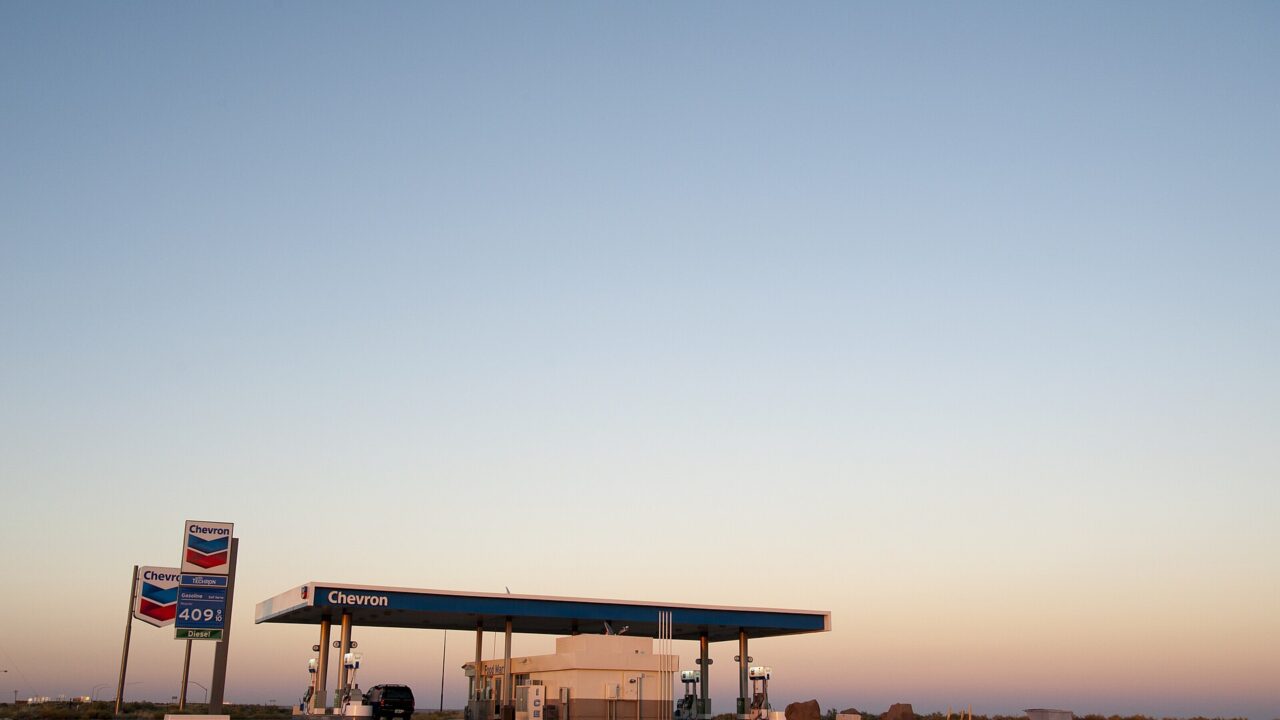
Alberta suspended its 13-cent-per-litre fuel tax on October 1 to make driving cheaper. Within a week, Calgary pump prices had climbed more than 20 cents — from about $1.50 a litre the day the tax vanished to roughly $1.715 by October 7 — leaving drivers paying more for the privilege of a tax cut.
The paradox has a straightforward explanation: the tax was never the biggest number on the sign. With crude oil holding above US$100 a barrel amid fighting around the Strait of Hormuz, wholesale gasoline costs rose by more than the province's 13 cents of relief. The province had estimated the suspension would bring average prices to about $1.62 a litre; instead, global markets overruled provincial policy in under a week.
Premier Danielle Smith, pressed on the gap, told reporters the pump price may take time to adjust and urged Albertans to shop around for cheaper fuel in what she described as a free-enterprise system. Opposition critics responded that a government which campaigns on affordability cannot outsource the result to an app — particularly after the province abandoned an alternative approach, a $100 affordability cheque, that was criticised as complicated and reached fewer than half of eligible residents before applications closed September 30.
The fuel-tax suspension runs through the end of 2026 and is tied, in normal times, to a formula linked to West Texas Intermediate prices; during the province's August-to-September review period, that benchmark averaged US$90.54. Alberta is not alone in reaching for the pump-price lever: Ottawa has legislated to extend its federal fuel-excise holiday through January 2027, worth about 10 cents a litre on gasoline, and Prince Edward Island has suspended its own tax for four months.
For households, the arithmetic is unforgiving either way. Diesel prices, which drive freight costs and therefore shelf prices, have climbed even more steeply, and truckers report fill-up costs doubling on some routes. Economists warn that provincial tax holidays mostly transfer the pain rather than remove it — the revenue forgone reappears as deficits or deferred services — while doing nothing about the crude price that actually sets the pump price.
Alberta's experience this week is now the cleanest illustration in the country: a government can cut every cent of its fuel tax, and if oil stays above $100, drivers will never see it. The tax cut is real. So is the oil market.
Wholesale markets explain the speed of the reversal. Retail prices follow rack prices, which follow crude and refining margins with a lag of days, not months; a province can schedule its tax relief for a quarter and watch three months of relief consumed in a week of barrel prices. Economists also note the asymmetry drivers feel in their bones: prices rise at the speed of the crude market and fall at the speed of retail competition, which is why "shop around" lands as both genuine advice and, to motorists watching identical prices across a city, an admission.
Alberta's treasury is paying for the experiment regardless. Every cent per litre suspended is provincial revenue uncollected on billions of litres, and the suspension runs to December 31 — through the winter driving season, on top of federal relief, in a budget already exposed to the same oil price in the opposite direction through royalties. The province is, in effect, long and short oil at the same time.
If crude retreats, Smith's government will claim the tax cut finally visible at the pump. If it does not, Alberta becomes the standing Canadian proof that pump prices are made in the world, not in provincial budgets.