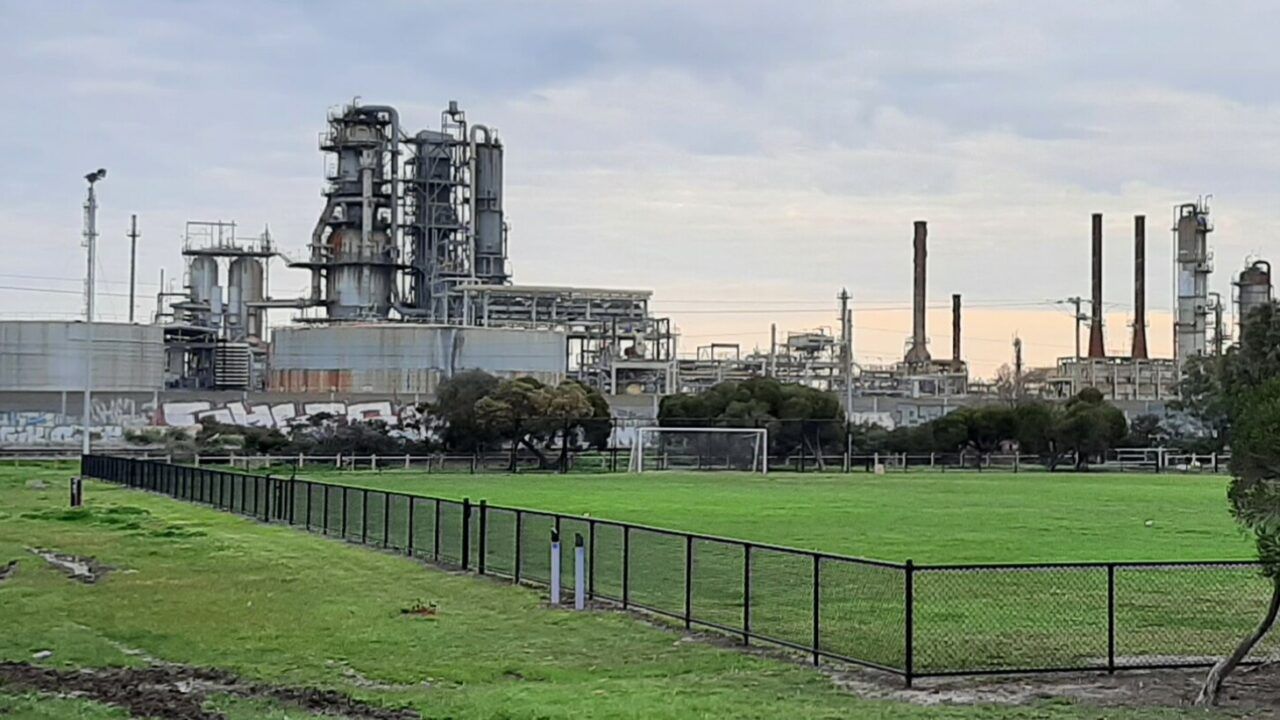
Sarnia's mayor has written to Prime Minister Mark Carney asking Ottawa to designate the proposed Northern Shield pipeline a project of national interest — a 3,300-kilometre line from Hardisty, Alberta to Sarnia that its backers pitch as an all-Canadian energy corridor, and its critics describe as a very expensive drawing.
The proposed line would move an estimated 500,000 barrels of oil a day, expandable to 800,000, from Alberta's production heartland to Ontario's refining cluster at Sarnia, where Imperial Oil's refinery sits at the corridor's eastern end. Ontario Premier Doug Ford has already pledged provincial capital toward the project and has been pressing Ottawa to move quickly, arguing the corridor would reduce Canada's reliance on foreign energy and on pipelines that cross the United States.
The appeal is easy to see on a map. Canada's existing east-west energy links famously dip through American territory, leaving Ontario refineries dependent on infrastructure exposed to US politics. Northern Shield would keep every kilometre on Canadian soil — a sovereignty argument that has acquired force since the trade war with Washington made cross-border dependence a liability in every sector.
The obstacles are equally visible. Northern Shield remains at the feasibility stage: no private proponent has committed, there is no cost estimate, and no formal submission has been made to Ottawa. Ford's enthusiasm has drawn the obvious question — why is Ontario offering taxpayer money for a project of unknown cost that private capital has not yet embraced? Municipal councils along the route have begun passing support motions, typically pairing endorsement with demands for environmental oversight and meaningful Indigenous consultation.
The mayor's letter arrives as Ottawa's major-projects machinery is suddenly busy. The federal government has just designated Pacific Link — a million-barrel-a-day line from Alberta to the BC coast — as its first national-interest project, creating both a template and a queue. Northern Shield's supporters want the same treatment; its file, however, is far thinner than Pacific Link's, which arrived with proponents, ownership and a decade of engineering.
Energy Minister Tim Hodgson has mused publicly about the economics of pipeline ownership, noting the federally owned Trans Mountain system generates substantial cash. Alberta's premier has set a target of doubling provincial production to eight million barrels a day over the next 10 to 15 years — a volume no existing network can carry.
For Sarnia, the ask is existential and local at once: the city's refining complex is its economic spine, and a dedicated Canadian supply line would anchor it for decades. Whether Ottawa spends its nation-building capital on a second pipeline, and whether private money follows the mayors and premiers, will decide if Northern Shield becomes steel or stays a line on a map that two premiers posed with in Calgary.
The economics underneath the politics are stark. Western Canadian crude has historically sold at a discount to world prices because its export routes run through the United States; every barrel that can reach tidewater or eastern refineries directly is a barrel priced by the world instead. Alberta's ambition to double production to eight million barrels a day is fantasy without new pipes, which is why Edmonton champions both Northern Shield and Pacific Link while Ottawa — suddenly in the pipeline business itself — sequences them.
Ontario's interest runs the other way along the same steel. Sarnia's refineries were built for an era of continental integration, fed substantially through cross-border lines whose reliability Canadians no longer take for granted. A dedicated Alberta supply re-pegs the Chemical Valley's future to Canadian crude, with the jobs and investment logic that follow — the argument Ford has been making since he posed with the map in Calgary.
None of this builds a pipeline. Between the mayor's letter and a construction season lie environmental assessment, Indigenous consultation with legal force, financing in the tens of billions, and a federal decision on whether national-interest designation is a tool Ottawa uses twice. But the letter has done its first job: Northern Shield now sits on the prime minister's desk, in writing, from the city where the pipe would end.