Prime Minister Mark Carney announced on Friday that the Mackenzie Valley Highway is now listed as a project of national interest under the Building Canada Act, the first project in Canada North to receive the designation, in a move that could finally turn a road studied for nearly seventy years into reality.
The proposed 800 kilometre all season highway will run the length of the Mackenzie Valley, linking Highway 1 at Wrigley to the Dempster Highway and providing the communities of Tulita, Norman Wells and Fort Good Hope with year round road access for the first time. Carney made the announcement in Yellowknife, alongside Northwest Territories Premier R J Simpson and Indigenous leaders from across the territory, to cheers from the crowd gathered for the event.
What the highway means for Northerners
The highway will improve transportation access for more than 10,000 people, including approximately 1,900 people in the Sahtu region who will gain access to an all season road connection for the first time. It will make deliveries of food, fuel, medicine, construction materials and other essentials more reliable, and cut the drive between Yellowknife and Inuvik from approximately 38 hours to an estimated 23 hours, by cutting about 1,300 kilometres from the journey.
Today, the three communities along the route are reachable only by aircraft, river barge and winter road. When the winter road melts each spring, residents face weeks when shelves thin out, fuel prices spike and medical travel becomes a logistical puzzle. A permanent road changes that arithmetic. It also opens the door to jobs and business for local firms, with the project expected to create 3,000 jobs at peak construction, and to support new resource exploration, trade and tourism activity across the territory.
Carney framed the project as a matter of sovereignty as much as convenience. A more reliable transportation corridor can improve connections between the North American Aerospace Defence Command Forward Operating Locations in Yellowknife and Inuvik, help move Canadian Armed Forces personnel, equipment and supplies, and support the construction and modernisation of defence infrastructure in the North. The highway is the third project to be listed as a project of national interest under the Building Canada Act, after the Pacific Link pipeline between Alberta and British Columbia and the Roberts Bank Terminal 2 expansion in Delta, British Columbia.
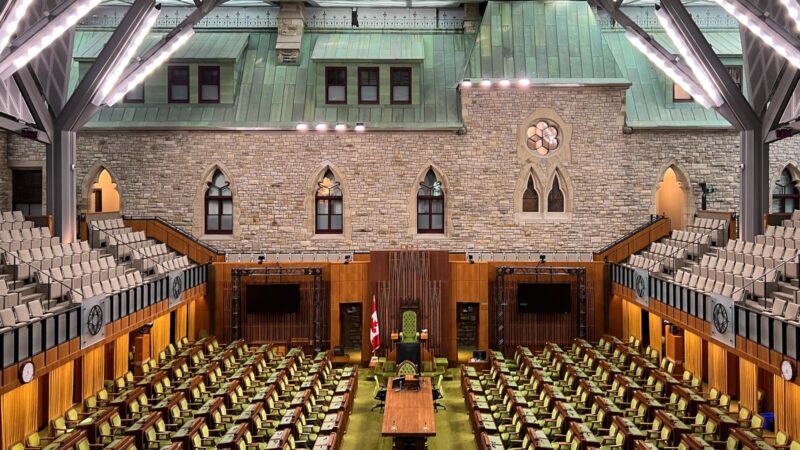
The announcement came as the House defeated a Conservative immigration motion 175 to 154, leaving the Carney plan intact and the government free to press ahead with its legislative agenda. Earlier in the week, Parliament was set to vote on a motion to reject the Ottawa immigration plan, a sign of how crowded the Commons agenda has become.
Who pays, who decides, and what happens next
The federal government is committing to fully fund the highway construction and certain maintenance costs. The recent federal budget earmarked 3.1 billion dollars for the project over the next five years, and the total capital cost is currently estimated at 4.2 billion dollars. Ottawa has already committed 405 million dollars to the project through the Arctic Infrastructure Fund, and funding for the highway development dates back to 2018, including 102.5 million dollars through the National Trade Corridors Fund.
Listing the highway under the Building Canada Act enables the Major Projects Office to coordinate federal regulatory requirements during the environmental assessment, bringing federal departments together to align decision making, reduce duplication and move the project forward. The government also announced a new major projects management entity to provide specialised expertise in engineering, project management and procurement, starting with the Mackenzie Valley Highway.
The project will still need to go through treaty based assessment and environmental review processes carried out by the Mackenzie Valley Environmental Impact Review Board, and the review could wrap up by the end of 2027. If approved, construction could begin in late 2027, with the road projected to open in 2032. Early work, including the Oscar Bridge relocation and Christina Creek realignment, will start once the winter road is built in early 2027.
Partnership with Indigenous governments is central to the plan. On November 25, Sahtu Secretariat Incorporated, Gwichin Tribal Council, Pehdzéh Kį First Nation, the Government of the Northwest Territories and the Government of Canada signed a Leadership Governance Understanding that sets out a collaborative framework for the highway governance, planning and long term direction. The highway begins in Wrigley, in Pehdzéh Kį First Nation territory, and its leaders say their people will be partners in how it is built, not bystanders.
Carney also announced more than 120 million dollars from the Arctic Infrastructure Fund to advance the Arctic Economic and Security Corridor, led by the Tłı̨chǫ Government and the Yellowknives Dene First Nation, which would establish an all season road from Yellowknife to the Nunavut border and, once connected to the Grays Bay Road and Port, provide access to a deepwater port on the Arctic Ocean.
Not everyone is convinced. Bob Zimmer, the federal Conservative shadow minister for Arctic affairs, doubted the prime minister commitment in a response issued on Friday afternoon. Simpson was more hopeful, telling CBC News that everyday life is going to be transformed for people in the territory. Carney called the highway more than a road, saying it will be a gateway to improving lives, unlocking new economic opportunities and strengthening Canadian sovereignty. The full announcement is published in the Prime Minister Office news release.
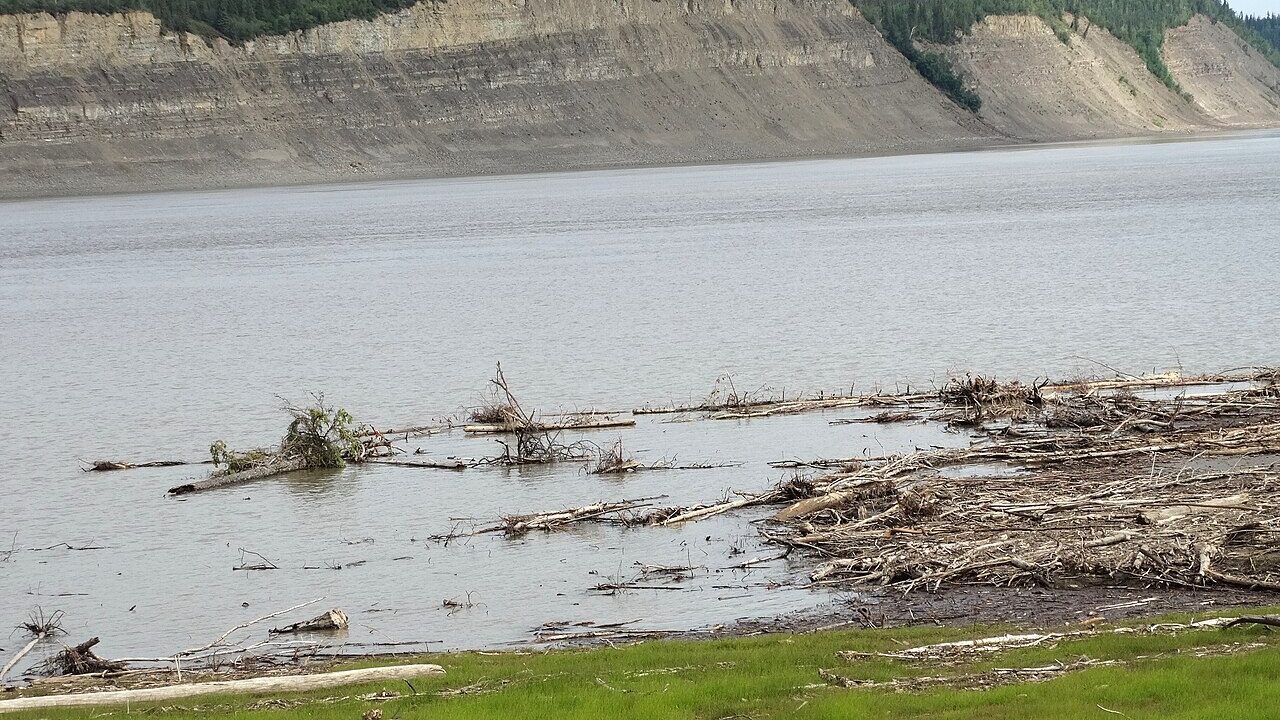
Image credit: Mackenzie River shore near Inuvik, Northwest Territories, Wikimedia Commons, CC BY SA 3.0.