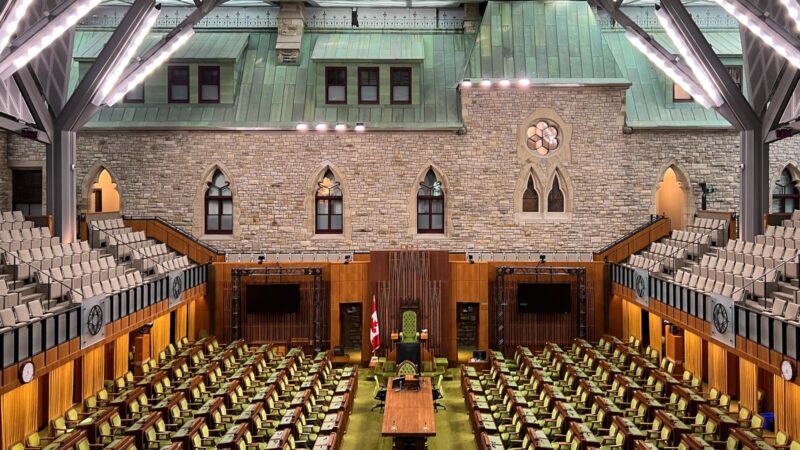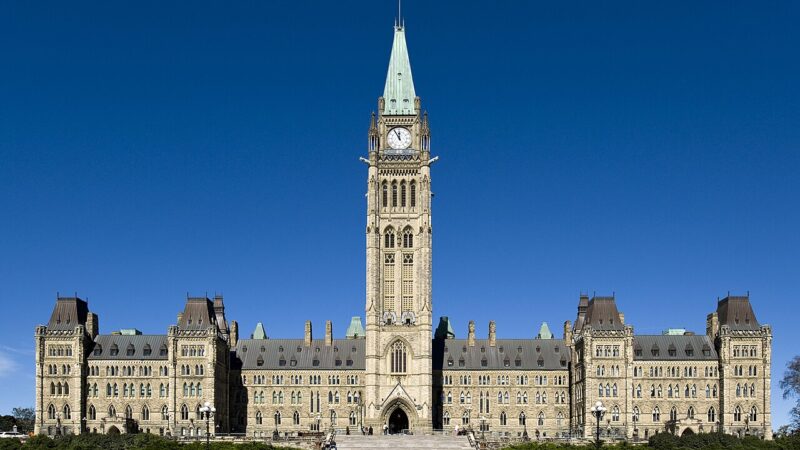
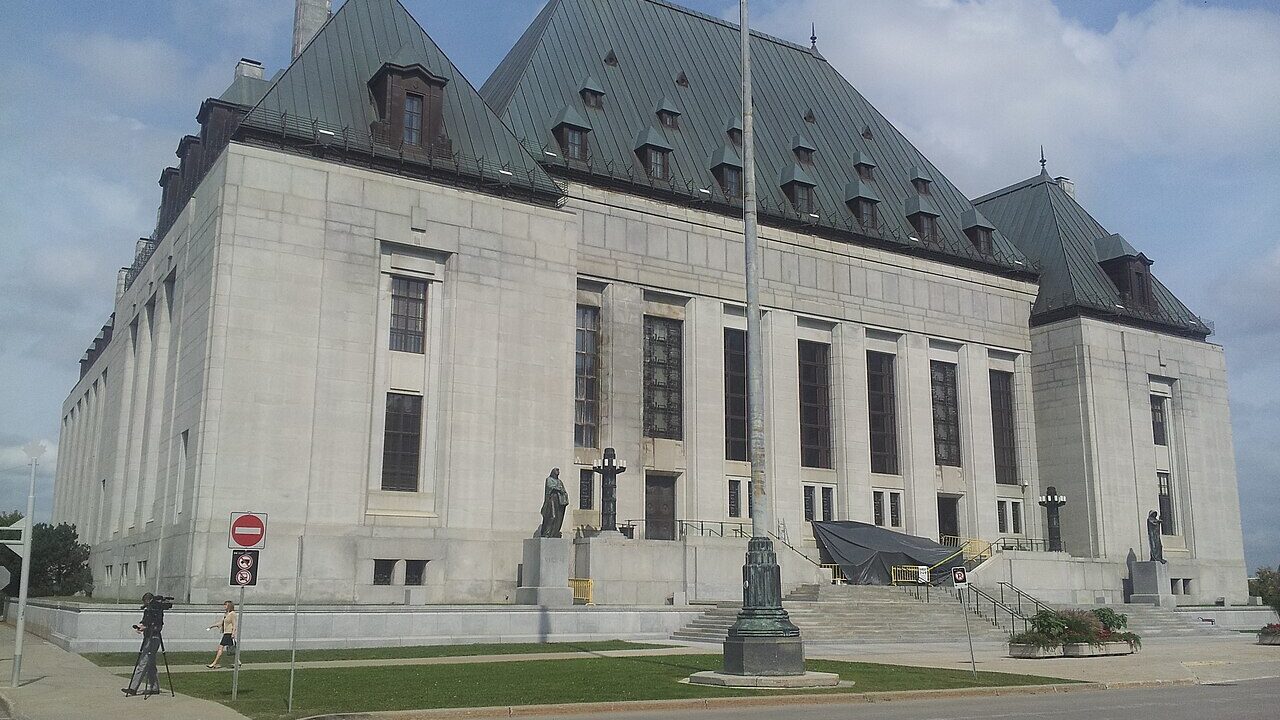
Canada’s Supreme Court will hand down a landmark ruling on Friday on Quebec’s law banning public servants from wearing religious symbols at work, in a decision that could reshape the balance between provincial power and the Charter of Rights and Freedoms. The judgment, due at 9:45 am Eastern, closes years of litigation over a law that has divided the country since it was passed in 2019.
The case centres on Bill 21, Quebec’s secularism law, which forbids public servants in positions of authority, including teachers, police officers and judges, from wearing visible religious attire such as hijabs, turbans, kippas and crosses while at work. A seven judge panel of the country’s highest court heard arguments over four days in March, and the ruling is now seen as one of the most important constitutional cases in a generation.
The question before the court
At the heart of the case is the notwithstanding clause, the Charter provision that lets a legislature keep a law in force even if it conflicts with certain rights. Quebec invoked the clause, known as Section 33, to shield Bill 21, and lower courts largely upheld the law on that basis. The Supreme Court must now decide whether courts may still review the law and formally declare that it breaches Charter rights, even when a province has relied on the clause.
Critics of the law say it discriminates against racialised religious minorities, and that Muslim women in particular have been shut out of teaching and other public jobs. Supporters say it upholds Quebec’s secular identity and the neutrality of the state. The federal government has warned that the clause is not a blank cheque, while Quebec has insisted that its democratic choices deserve respect.
A ruling with national consequences
Whatever the court decides, the political fallout is expected to be sharp. According to reports, the ruling could either inflame Quebec separatists or frustrate civil liberties groups, and it will land in the middle of a shifting political landscape in the province, where the Parti Quebecois won a minority in the recent provincial election. The decision may also set a precedent for how far other provinces can go in using the notwithstanding clause to protect laws from Charter challenges.
The ruling arrives in a week when federal politics has already been heated, after the House defeated a Conservative immigration motion by 175 votes to 154. For Quebecers who have waited years for an answer, Friday will finally say whether the courts can call out a rights breach that a legislature has chosen to override, and the test of Canadian unity that the case represents will be felt far beyond the courtroom in Ottawa.