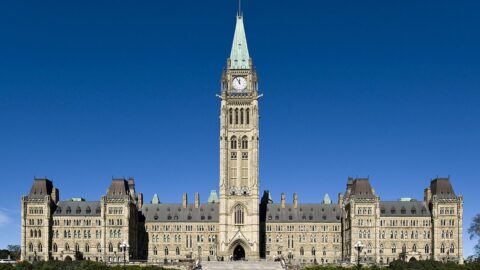

The House of Commons Standing Committee on Finance received 1,355 briefs as part of its annual pre-budget consultations, a volume that shows how many groups want a say before Thursday’s budget. The committee summarised its recommendations in a report presented to Parliament in late September, containing 130 recommendations. Only seven related to taxation, but the first one stands out: a call for a comprehensive review of Canada’s tax system to improve productivity, economic growth and competitiveness.
That recommendation calls for gradually reducing taxes on work, savings, entrepreneurship and investment, while evaluating fiscally neutral reforms that place greater reliance on consumption based taxation and provide enhanced protections for low income Canadians through refundable tax credits and targeted income supports. It is a long term agenda, not a single budget measure, and it sits alongside the government’s own preview of a budget centred on unlocking private capital and on a large capital deduction for businesses.
Accountants press the same point
The Chartered Professional Accountants of Ontario, the provincial regulatory body, echoed the recommendation this week and is leading a national coalition calling for comprehensive tax reform. Its case, set out in an October 2025 report on tax reform for growth, urges simplification of the overall tax system by eliminating niche tax expenditures that add complexity without clear economic benefit, capping the combined top marginal personal income tax rate at 50 percent, and reducing the number of personal income tax brackets. A similar proposal by the Joint Committee on Taxation of the Canadian Bar Association and CPA Canada was submitted last month.
The budget preview published on 2 November shows why the tax reform debate matters now. A budget that offers a 36 billion dollar capital deduction over five years and promises simpler rules for small and medium firms will be judged on whether it actually simplifies the system or merely adds another incentive on top of a complex one. Reformers argue that simplification itself is a growth policy, because complexity deters investment and rewards firms that can afford advice.
What Thursday must show
Thursday should show whether the government accepts the committee’s long term challenge or prefers a narrower package of incentives. A budget that simplifies brackets, removes low value expenditures and protects low income households through credits would answer the reformers directly. A budget that only adds deductions would leave the core question open, and the coalition calling for reform will return to it in the next pre-budget round, with another large pile of briefs.