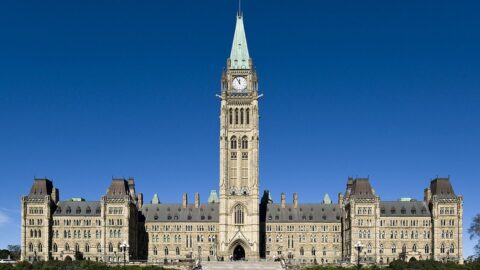
Voters in six federal ridings will head to the polls on 7 December, after Prime Minister Mark Carney called byelections on 1 November. The contests cover three Quebec ridings, Laurier Sainte-Marie, Rosemont La Petite-Patrie and Saint-Hyacinthe Bagot Acton, two Ontario ridings, Brantford Brant South and Scarborough North, and one Saskatchewan riding, Yorkton Melville. The seats were previously held by the Liberals, the New Democratic Party and the Bloc Quebecois respectively in Quebec, and the vacancies arose after members quit for diplomatic appointments, provincial politics or retirement.
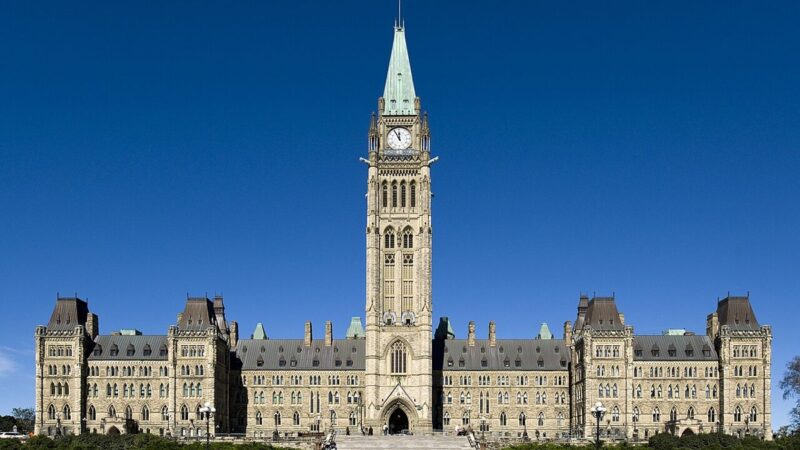
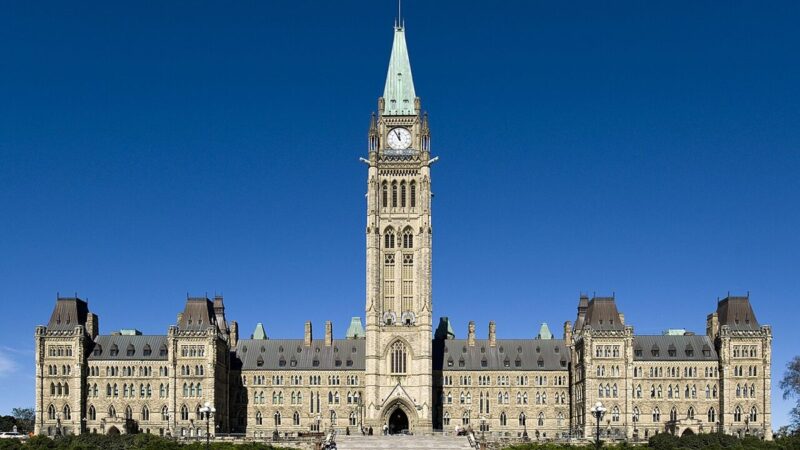
The Prime Minister’s Office said the byelections follow the normal rule that a byelection must be called between 11 and 180 days after a resignation. Since the 2025 election, 13 of 343 members of Parliament have stepped down, a turnover that reflects both the normal churn of a Parliament and the pull of other offices. The Liberals currently hold a majority after winning three byelections earlier this year, so these six contests will not change who governs, but they will test the mood in very different kinds of ridings, from urban Montreal seats to a Saskatchewan rural seat.
What each region will signal
In Quebec, the contests will show whether the Liberal vote holds in Montreal and whether the Bloc can defend a seat it previously held, while the New Democratic Party faces a test of its organisation in a seat it once held. In Ontario, Brantford Brant South and Scarborough North will test suburban and urban voting patterns that often decide national elections. In Saskatchewan, Yorkton Melville will test Conservative strength in a province where the party has been dominant, and whether any challenger can narrow a traditionally wide margin.
The byelection announcement from the Prime Minister’s Office lists the six districts and the 7 December date, and frames the contests as routine democratic renewal. Routine is the right word for the process, but not for the reading of the results. Parties will parse turnout, vote share shifts and second place finishes for clues about the budget debate, about regional grievances, and about the next general election, even though no seat in this round changes the government.
Turnout is the early warning
Byelection turnout is usually lower than in a general election, which makes the result harder to read and easier to spin. Parties will therefore watch not only who wins, but who votes, and by how much margins move from the last general election. A low turnout win with a shrunken margin tells a different story from a high turnout win with an expanded one. On 7 December, that distinction will matter more than the headline that six seats were filled.